The Myth of Instant Inspiration
Waiting for the perfect idea is the fastest way to make sure you never start. Artists love the fantasy of lightning bolt genius the moment where everything clicks and the masterpiece pours out effortlessly. But that’s not how it works. Not for most people. Not even for the pros.
Creativity isn’t magic. It’s a muscle. You train it by showing up, scratching out the bad ideas, and building trust in the process. Sitting in front of a blank canvas or empty timeline feels like pressure if you expect brilliance on demand. That pressure turns into paralysis.
The mental blocks are familiar: wanting the first stroke to be right, fearing you’ll “ruin” the surface, comparing yourself to others who seem to flow so easily. But these are ghosts, not facts. Starting messy is better than not starting at all. Make garbage. Push through the awkward silence. Build the habit of motion because inspiration doesn’t find you unless you’re moving.
Practical Ways to Get Unstuck
Blank canvas. Frozen brain. Sometimes, the hardest part is just daring to start. That’s where the 10 minute rule comes in. Set a timer and give yourself permission to simply begin no pressure. Ten minutes. No masterpieces. Just movement. You might surprise yourself how often momentum kicks in once you commit to those few minutes of grit.
Still staring? Use prompts, weird constraints, or randomly generated themes. Limit your palette to three colors. Draw only with your non dominant hand. Create a storyboard for a fake movie. These inputs bypass your perfectionist by tricking your brain into play mode.
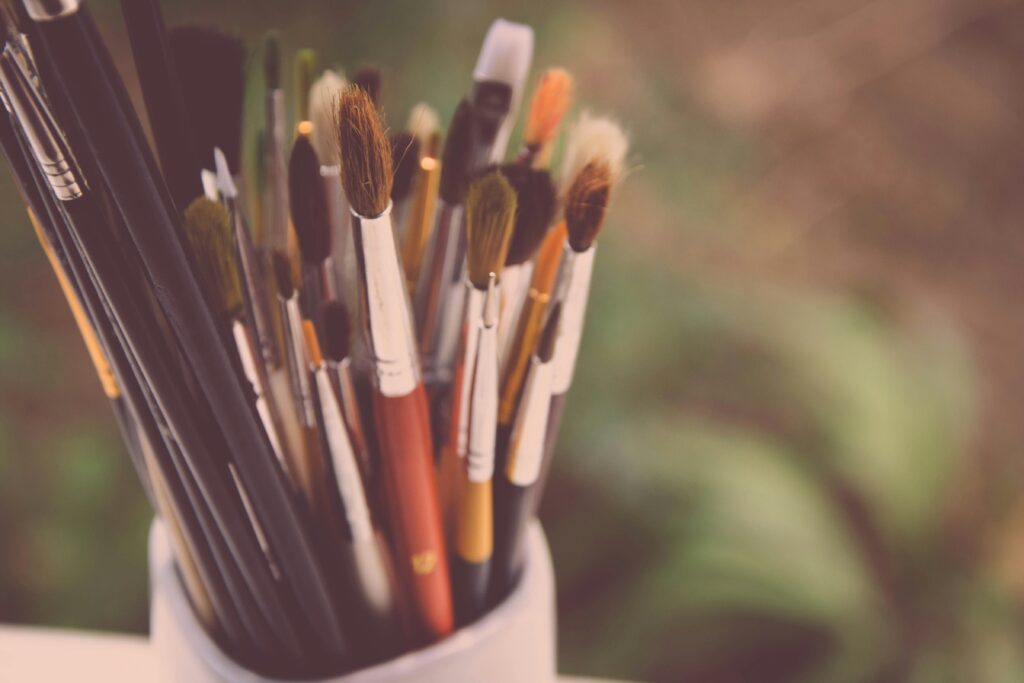
Another fast hack: switch tools. Trade your usual brush for a sponge. Swap your sketchpad for a sticky note. Messing with your medium disrupts the inner critic and reintroduces surprise. Your mind responds to novelty, not predictability.
And don’t forget warm ups. Draw badly on purpose. Five cringe worthy stick figures, fifty spaghetti lines, one lopsided tree. It’s like stretching before a run. Not everything needs to be gallery worthy. Sometimes the worst drawing of the day is the one that leads you into flow.
Building a Consistent Flow Habit
Flow doesn’t arrive on demand it shows up when you set the table for it. Most artists wait for inspiration. The pros build routines that make space for it.
Start simple. A 15 minute sketch every morning. A non negotiable hour with your brush or pen at the same time each night. The key isn’t length, it’s rhythm. When your brain knows creativity happens at 8 a.m. (or 9 p.m.), it starts showing up on cue.
Your physical space matters. That doesn’t mean building a fancy studio it means removing friction. Get your tools within reach. Kill the glare. Add a desk lamp. Cut the noise. Pin a few things that provoke curiosity near your workspace, and remove everything that pulls you into a scroll spiral.
Batch your creative sprints. Don’t sit down to reinvent the wheel every time. Sketch six raw concepts in one session. Paint three color studies while you’ve got momentum. Then walk away. Breaks aren’t laziness they’re fuel. This isn’t about pushing harder. It’s about returning fresh.
Last thing: care less. Stop chasing masterpieces. Chase motion. Half finished sketches and messy lines still count. Quantity leads to quality. Keep the engine on. Let the work pile up. Flow follows the doing, not the desire.
Looking Outside Yourself for Spark

Staring at a blank canvas alone can get old fast. Sometimes, the fastest way to jumpstart your flow is by tapping into someone else’s momentum. That could look like joining a group session, trading progress pics with a friend, or just watching another artist work through their mess. Creativity doesn’t have to be solitary. Borrow energy when yours feels flat.
Another solid strategy: obsess over one thing. A subject, a shape, a mood something you’re drawn to without overthinking it. Dig into the details. Then twist it. Flip the angle, shift the palette, exaggerate the feeling. One strong reference can be the root of fifteen new ideas.
And instead of mindless scrolling, scroll with purpose. Use resources that are curated to spark not drain your creativity. You’ll find smart jumping off points in spaces like fresh creative articles. Let a sentence or image kickstart the work when your own thoughts feel stuck. Inspiration is fuel, but only if you use it to light something.
Break the Canvas, Not Your Confidence
Perfection is a trap. If you walk into every painting session expecting brilliance, you’ll freeze. Instead, consider each piece as part of your creative training. You’re learning by doing, not performing for applause. The work doesn’t have to be good it just has to be made.
The so called bad pieces? They’re not failures. They’re data. They show you what’s clicking and what’s not. Document the mess. Share it or stash it, but don’t delete it. Over time, the gaps between your intent and your outcome tighten. That’s progress.
What really matters isn’t how polished your latest canvas is. It’s how often you show up. A daily or weekly rhythm strips away fear. Mistakes become normal. Confidence builds. You start trusting the process more than the product. That’s where real creative flow comes from not from chasing perfect, but from making, learning, and moving forward.
Fuel for the Fire
Inspiration doesn’t always drop in your lap. When your own ideas feel stale, go find better ones. Skip the mindless scrolling and hit up a few curated sources like fresh creative articles that actually challenge your thinking. Treat them as launchpads, not rabbit holes.
Looking at other artists’ work isn’t cheating. It’s part of the dialogue. Art talks to art. Whether it’s technique, theme, or mood you’re not stealing, you’re responding. See what grabs you, then twist it into your own thing.
And the biggest truth? Just keep showing up. Creativity doesn’t reward waiting. It rewards the work. Sit down, make something especially when you don’t feel like it. That’s usually when the spark shows up.
Flow Follows Action
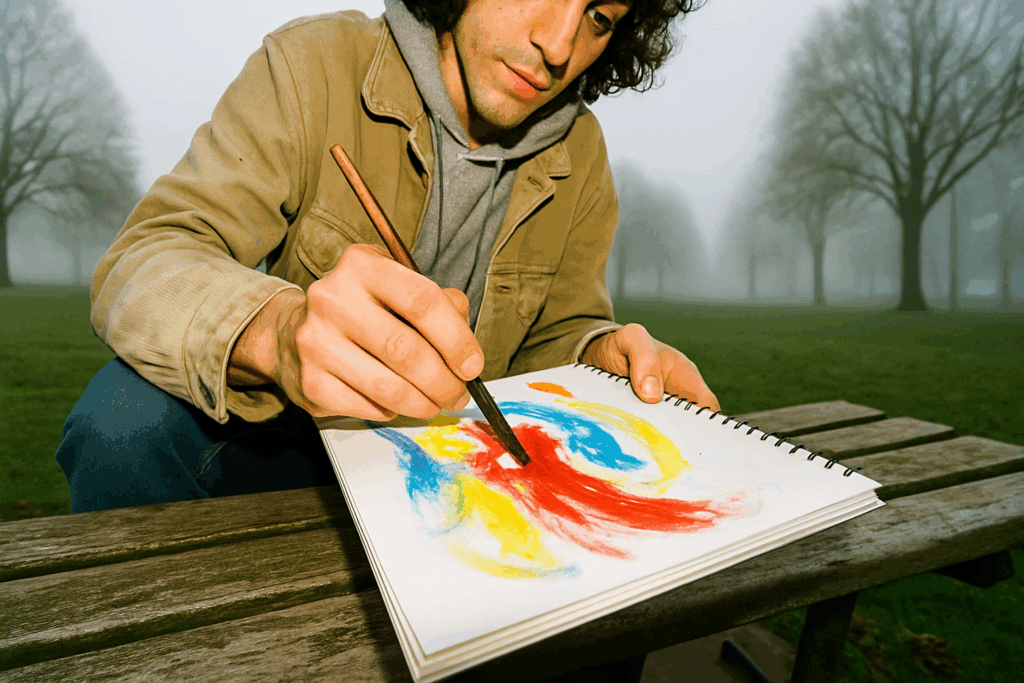
The canvas won’t paint itself. Neither will tomorrow. Waiting to feel ready is a trap. You could sit there for hours, brush in hand, staring and nothing happens. But the moment you start, even if it’s rough, something shifts. Lines appear. Color bleeds. Momentum builds.
Starting badly beats not starting at all. That initial friction, the awkward, ugly effort of early strokes, is what primes the gears. It doesn’t matter if it makes sense or looks “good.” The job isn’t to master the masterpiece on the first try. The job is to show up and move. To take messy swings. To feed the fire.
Want flow? Then start moving your hands. Your brain will catch up.
 Lacy Cisnerosity is the kind of writer who genuinely cannot publish something without checking it twice. Maybe three times. They came to art gallery highlights through years of hands-on work rather than theory, which means the things they writes about — Art Gallery Highlights, Creative Process Insights, Painting Techniques and Tutorials, among other areas — are things they has actually tested, questioned, and revised opinions on more than once.
That shows in the work. Lacy's pieces tend to go a level deeper than most. Not in a way that becomes unreadable, but in a way that makes you realize you'd been missing something important. They has a habit of finding the detail that everybody else glosses over and making it the center of the story — which sounds simple, but takes a rare combination of curiosity and patience to pull off consistently. The writing never feels rushed. It feels like someone who sat with the subject long enough to actually understand it.
Outside of specific topics, what Lacy cares about most is whether the reader walks away with something useful. Not impressed. Not entertained. Useful. That's a harder bar to clear than it sounds, and they clears it more often than not — which is why readers tend to remember Lacy's articles long after they've forgotten the headline.
Lacy Cisnerosity is the kind of writer who genuinely cannot publish something without checking it twice. Maybe three times. They came to art gallery highlights through years of hands-on work rather than theory, which means the things they writes about — Art Gallery Highlights, Creative Process Insights, Painting Techniques and Tutorials, among other areas — are things they has actually tested, questioned, and revised opinions on more than once.
That shows in the work. Lacy's pieces tend to go a level deeper than most. Not in a way that becomes unreadable, but in a way that makes you realize you'd been missing something important. They has a habit of finding the detail that everybody else glosses over and making it the center of the story — which sounds simple, but takes a rare combination of curiosity and patience to pull off consistently. The writing never feels rushed. It feels like someone who sat with the subject long enough to actually understand it.
Outside of specific topics, what Lacy cares about most is whether the reader walks away with something useful. Not impressed. Not entertained. Useful. That's a harder bar to clear than it sounds, and they clears it more often than not — which is why readers tend to remember Lacy's articles long after they've forgotten the headline.