Why Acrylics Are a Solid Starting Point
If you’re just getting into painting, acrylics are your safest bet. This medium dries fast sometimes within minutes so you’re not waiting around for layers to cure. That makes experimenting easy and forgiving. Made a mistake? Let it dry and paint over it. Simple.
Versatility is another big win. Acrylics stick to more than just canvas. Wood panels, heavy watercolor paper, cardboard most surfaces will take acrylic without a fight. That opens up a lot of options for how and where you work.
They’re also clean to use. Acrylics are water based, which means no toxic fumes, no solvents, and no cleanup drama. A little soap, a splash of water, and you’re good. This makes them especially friendly for home studios, small spaces, and anyone not ready to set up a full ventilation system.
Acrylics don’t ask for perfection. They ask that you show up and try and for beginners, that’s the right place to start.
Essential Tools to Get Started
Before you mix your first color or load a brush, you’ll need the right gear. It doesn’t have to cost a fortune, but getting tools that won’t fight you makes a difference.
Paint: Budget vs. Professional Grade Acrylics
Student grade paints are cheaper and perfect for practicing. The downside? Less pigment and more filler mean weaker color and unpredictable blending. If you’re just starting out, they’ll do fine. But when precision or vibrancy matters, professional grade wins. The colors pop more, cover better, and mix cleaner.
Brushes: Round, Flat, Filbert Know When to Use Which
You don’t need a hundred brushes. Just a few versatile ones. Flat brushes are ideal for bold strokes and blocking in large areas. Round brushes give you control for lines and details. Filberts are the in between: curved edges that blend and shape well. Start with one or two in each type, medium size. You’ll learn quickly what works best for your style.
Surfaces: Canvas Boards, Stretched Canvas, Acrylic Pads
Canvas boards are flat, affordable, and easy to store great for practice. Stretched canvas feels more premium and handles multiple layers well. Acrylic pads are paper designed for acrylics; good for sketching ideas or testing color mixes. Each surface behaves a bit differently, so experiment.
Extras: Palette Knives, Water Container, Rag, and Palette
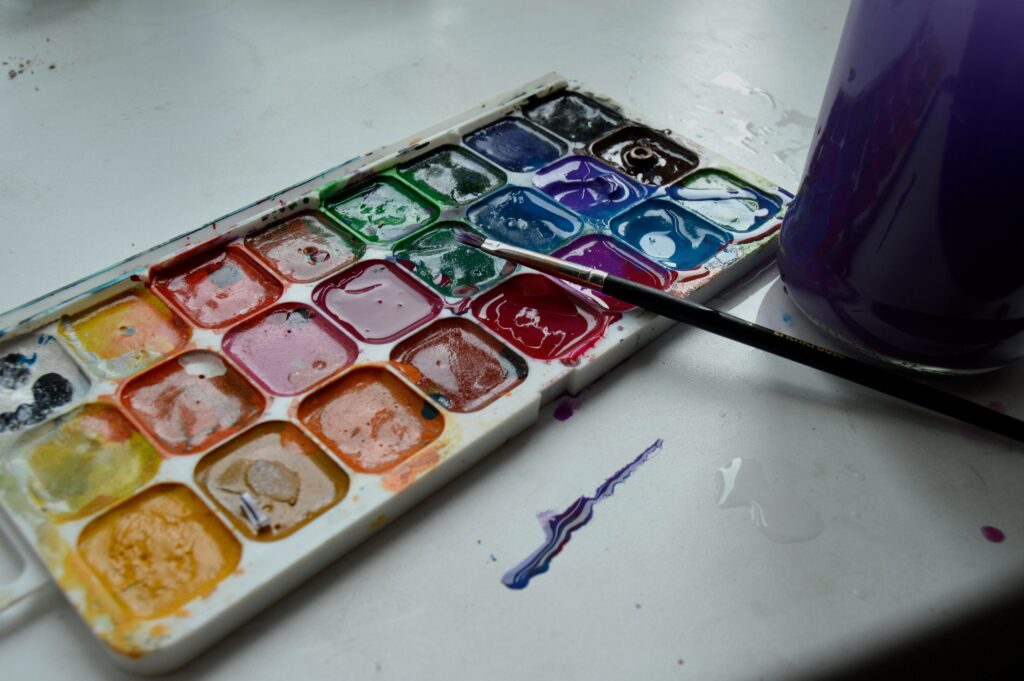
Palette knives aren’t just for mixing they can create sharp, expressive textures. A sturdy water container (non tip), a reusable rag or paper towels for wiping, and a decent palette are essential. Don’t waste time fighting with cheap gear. Disposable palettes work fine, but a glass or acrylic one gives you more space and easy cleanup.
Tools won’t make you an artist but they will help you paint like one.
Foundational Techniques Every Beginner Should Try
Dry Brush
This technique is all about texture. Load just a little paint on a dry brush and drag it lightly across the surface. The result? A scratchy, broken line that gives your work an aged or weathered look. Great for adding grit, highlights, or raw character to landscapes and textured surfaces. Think dry grass, rough wood, or crumbling brick.
Glazing
Glazing adds depth. It’s all about layering transparent washes of color on top of dry layers. The paint is watered down or mixed with a glazing medium, allowing the layers below to show through. Warmth, richness, subtle shifts in tone you get it all. Use it to build shadows, mimic light, or create a dreamy glow.
Scumbling
Scumbling is about light diffusion. You scrub pigment over a dry layer using a dry brush or sponge. The goal isn’t full coverage it’s a dusty, smoky effect that breaks up the surface, adding atmosphere. Useful in skies, foggy backgrounds, and anywhere you want a mood without sharp lines.
Underpainting
Start strong with an underpainting. It’s a monochrome sketch (often using burnt umber or Payne’s gray) that maps out composition and values before color goes on. This base helps you stay anchored throughout the painting and makes the final piece more cohesive. Best part? It simplifies color choices down the line.
These four techniques build your groundwork. Mastering them means more control, more versatility, and fewer surprises on the canvas.
Layering Like a Pro
Acrylic painting is built on layers each one contributing depth, texture, and vibrancy to the final image. Understanding how to layer effectively is key for beginners looking to gain control and polish in their work.
Why Start Thin and Build Thick
A solid acrylic painting usually starts with lighter, thinner applications of paint, gradually moving into thicker layers as the piece develops.
Thin layers dry faster, making it easier to build structure and correct mistakes
Thicker top layers add texture, highlights, and focal interest
Helps avoid cracking as bottom layers dry completely before heavier paint is applied
Timing Is Everything
Drying time plays a critical role in successful layering. Rushing into the next layer too soon can result in muddy color transitions or lifted paint.
Wait until the surface is dry to the touch before applying a new layer
Use thin strokes early on to speed up drying
Keep a hair dryer or fan on hand (on a low setting) for faster results but use cautiously to avoid uneven drying
Get to Know Your Mediums
Adding acrylic mediums to your toolkit can transform how your layers behave. They allow for smoother blending, longer working time, or improved flow.
Retarder: Slows down drying time, great for wet on wet blending or working in warm/dry conditions
Flow Improver: Thins paint without compromising pigment, ideal for smooth glazes or detail work
Gel Mediums: Add body and transparency, letting you build thick layers with more control
Mastering layering isn’t about rushing to the final form it’s about enjoying the process of buildup, from background washes to finishing highlights.
Mastering the Acrylic Blend
When it comes to acrylics, blending isn’t just a technique it’s a choice between precision and atmosphere.
Wet on dry gives you control. Let your first layer dry completely, then apply your next color or tone. This approach creates bold, crisp edges and is perfect for high contrast work, fine detail, or layering light over dark without muddying things up. It’s slower, more deliberate, and great if you’re building up shapes or highlights with accuracy.
Wet on wet, on the other hand, is looser. You’re working fast, while the paint is still damp, allowing colors to merge naturally. The edges are soft, gradients flow, and the whole look feels more intuitive. But it’s tricky if you’re not careful with timing or pressure, things turn to mush fast. Use this when you want atmosphere, mood shifts, or gentle transitions.
For a deep dive comparing how this works with oil painting, check out How to Master the Wet on Wet Oil Painting Method.
Common Mistakes to Avoid
Even the most enthusiastic beginners can sabotage their own progress with a few avoidable missteps. Here’s what to watch for:
Over blending while the paint is drying
Acrylics dry fast that’s a feature, not a bug. But if you keep pushing paint around after it starts setting, you end up with blotchy textures and ripped up layers. Blend quickly, then leave it alone. Hesitation can ruin an otherwise solid stroke.
Ignoring the value of a strong underlayer
Think of the underpainting as your blueprint a monochrome map that guides everything else. Skipping it means you’re essentially guessing where your lights, darks, and structure should land. It doesn’t have to be perfect. It just has to be there.
Using poor quality brushes that shed or splay
Cheap brushes might save you a few bucks up front, but they’ll cost you in control and cleanup. Stray bristles get stuck in your paint, and flimsy tips make it hard to get clean lines. You don’t need high end tools to start, but mid grade synthetic brushes at least hold their shape.
Bottom line: respect the tools, trust the layers, and don’t baby the paint.
Practice Exercises for Skill Building
When you’re starting out with acrylics, skill comes from doing. These three exercises aren’t fancy they’re the groundwork. Treat them like drills. No pressure, just repetition and observation.
1. Simple gradient swatches
Pick two colors say, ultramarine blue and titanium white and practice blending them from one end of the paper to the other. Try it horizontally, vertically, and diagonally. Focus on even transitions, no streaks or dry edges. Keep your brush damp, not soaked, and work fast before the paint starts to dry. Do this often. It sharpens your control and helps you feel the drying curve.
2. Still life block ins with limited color palette
Set up a mug, a fruit, a cloth. Use just three colors plus white like burnt sienna, ultramarine blue, and yellow ochre. Block in shapes, values, and big color zones before worrying about detail. Think about light and shadow, not perfect lines. You’ll train your eye and avoid the trap of overworking too soon.
3. Abstract compositions to explore brushwork freely
No rules here. Play with shapes, contrast, and rhythm. Use different brush sizes and movements drag, dab, scrub, slash. Include some dry brush, a little impasto, maybe even scratch into the surface. This isn’t about the final look. It’s all about figuring out what your hand can do and what the paint wants to do.
Do these exercises regularly your skills won’t just improve, they’ll mature.
Final Tips to Stay Motivated
Progress with acrylics doesn’t come in a single breakthrough it’s the result of repetition. The best thing you can do is paint often. Not for hours. Not for perfection. Just regularly. Ten minutes a day can do more for your confidence than one big weekend sprint.
Don’t get precious about the outcome. Every canvas doesn’t need to be a masterpiece. Think of each painting as a workout for your skills. Try a new brushstroke. Play with composition. Make mistakes and move on that’s how you get better.
And revisit your early work. Keep it around. Not to criticize it, but to recognize how far you’ve come. Progress in painting is hard to see day to day, but obvious when you look back.
Start where you are. Practice builds fluency. Acrylics reward persistence.