
Paul L.

Face (29)Ask Paul L. how they got into painting techniques and tutorials and you'll probably get a longer answer than you expected. The short version: Paul started doing it, got genuinely hooked, and at some point realized they had accumulated enough hard-won knowledge that it would be a waste not to share it. So they started writing.
What makes Paul worth reading is that they skips the obvious stuff. Nobody needs another surface-level take on Painting Techniques and Tutorials, Creative Process Insights, Artist Features and Interviews. What readers actually want is the nuance — the part that only becomes clear after you've made a few mistakes and figured out why. That's the territory Paul operates in. The writing is direct, occasionally blunt, and always built around what's actually true rather than what sounds good in an article. They has little patience for filler, which means they's pieces tend to be denser with real information than the average post on the same subject.

Paul doesn't write to impress anyone. They writes because they has things to say that they genuinely thinks people should hear. That motivation — basic as it sounds — produces something noticeably different from content written for clicks or word count. Readers pick up on it. The comments on Paul's work tend to reflect that.

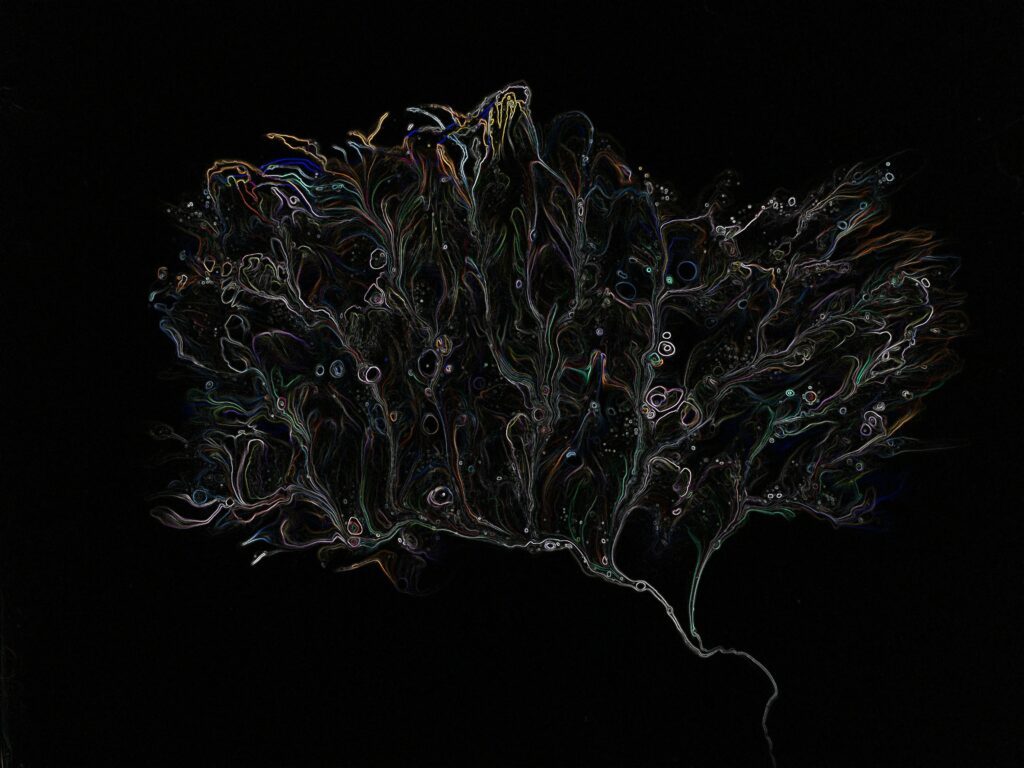
abstract painter interview
Artist Features and Interviews

An Interview with a Contemporary Abstract Painter

The Artist Behind the Canvas Tomas Elray is a painter based in Santa Fe, New Mexico. Born in Cleveland and raised between city sprawl and desert road trips, his work reflects a push and pull between structure and chaos. Before diving into art full time, Elray spent his twenties working in commercial design and odd […]

An Interview with a Contemporary Abstract Painter Read Post »
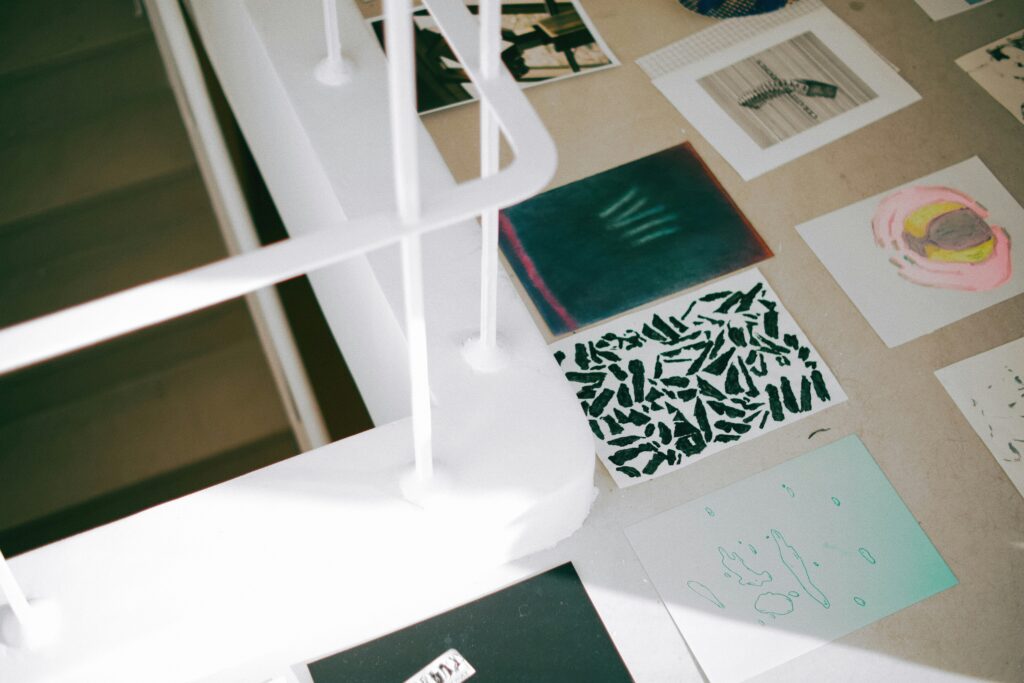
advanced brush techniques
Art Trends and Movements

10 Advanced Brush Techniques Every Painter Should Know

Dry Brush Detailing Dry brush technique is all about restraint. You load the brush with a touch of paint barely enough to coat the bristles and drag it lightly over the surface. The goal isn’t coverage; it’s character. This method teases out gritty, broken strokes that add layered depth and raw texture to your painting.

10 Advanced Brush Techniques Every Painter Should Know Read Post »

acrylic painting techniques
Art Trends and Movements

A Beginner’s Guide to Acrylic Painting Techniques

Why Acrylics Are a Solid Starting Point If you’re just getting into painting, acrylics are your safest bet. This medium dries fast sometimes within minutes so you’re not waiting around for layers to cure. That makes experimenting easy and forgiving. Made a mistake? Let it dry and paint over it. Simple. Versatility is another big

A Beginner’s Guide to Acrylic Painting Techniques Read Post »

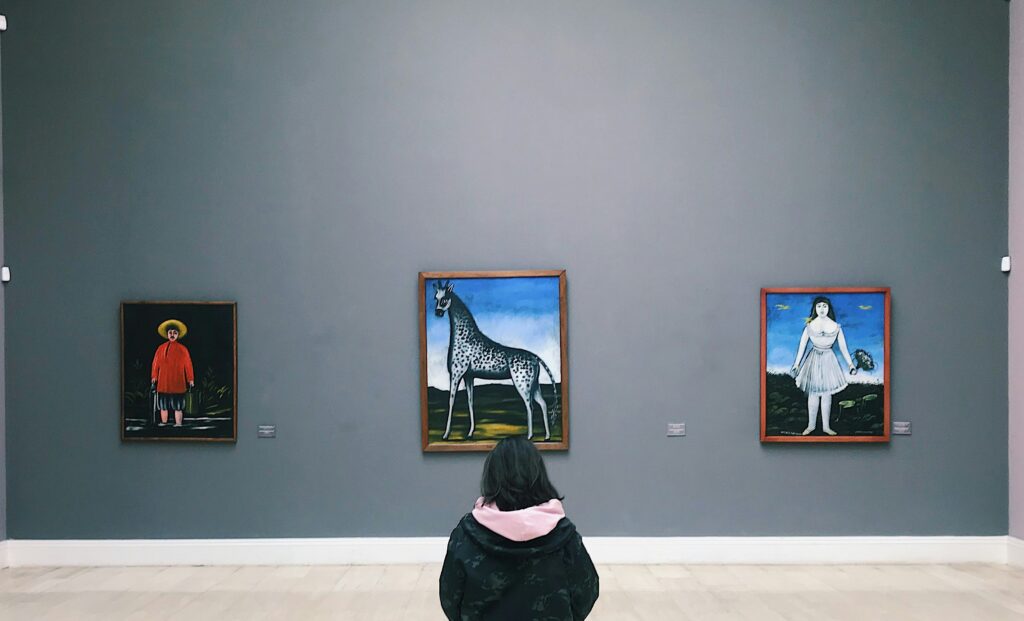
curating art exhibitions
Art Gallery Highlights

How Curators Select Artwork for Gallery Exhibitions

Setting the Exhibition’s Vision Every exhibition starts with a question: What story are we telling? A successful show doesn’t just happen it’s built on a solid idea that acts as the spine for every curatorial decision that follows. That idea can be sparked by a cultural moment, an overlooked artist, a formal concept (like color

How Curators Select Artwork for Gallery Exhibitions Read Post »

art gallery types
Art Gallery Highlights

Contemporary vs. Classic Art Galleries: What to Expect

The Core Differences Classic art galleries feel like you’re stepping into the past. The walls carry centuries Renaissance oil panels, Baroque drama, rays of light from Impressionist brushstrokes. These works are technical, studied, and hold tight to the traditions they grew from. They weren’t just painted they were built. In contrast, contemporary galleries run on

Contemporary vs. Classic Art Galleries: What to Expect Read Post »

Scroll to Top