The Tension at the Core of Creation
Every artist hits the same wall: balancing control with expression. Too much control, and the work feels cold. Too much emotion, and it can fall apart in execution. It’s a dance and most of the time, the floor’s uneven.
There’s a common myth that you have to pick a side. Either master the craft and risk becoming sterile, or go full emotion and lose clarity. But the truth is, it’s a false choice. The best work doesn’t separate the two it fuses them. Think of da Vinci. Or Van Gogh. Or Nina Simone. They didn’t water down technique in the name of feeling, or tone down emotion to stay clean. They used one to fuel the other.
Technique and emotion aren’t rivals. They’re both tools. The trick is knowing when to lead with which and learning to listen to the work as it forms. Most struggles in the creative process come not from lack of either, but from resisting their coexistence. Control gives expression shape. Expression gives technique soul.
Technique as Foundation, Not Limitation
Getting better at the craft the strokes, the structure, the timing doesn’t dull your voice. If anything, it sharpens it. Mastery of technique allows you to say what you mean, without fumbling for the right tool in the middle of inspiration. When you sketch the same motion a hundred times, or practice shape and proportion until your hands remember without checking, that’s not killing creativity. It’s preparing for it.
Repetition builds fluency. Muscle memory carves out space so the mind can wander into more honest territory. Form no matter how strict becomes a launchpad, not a fence.
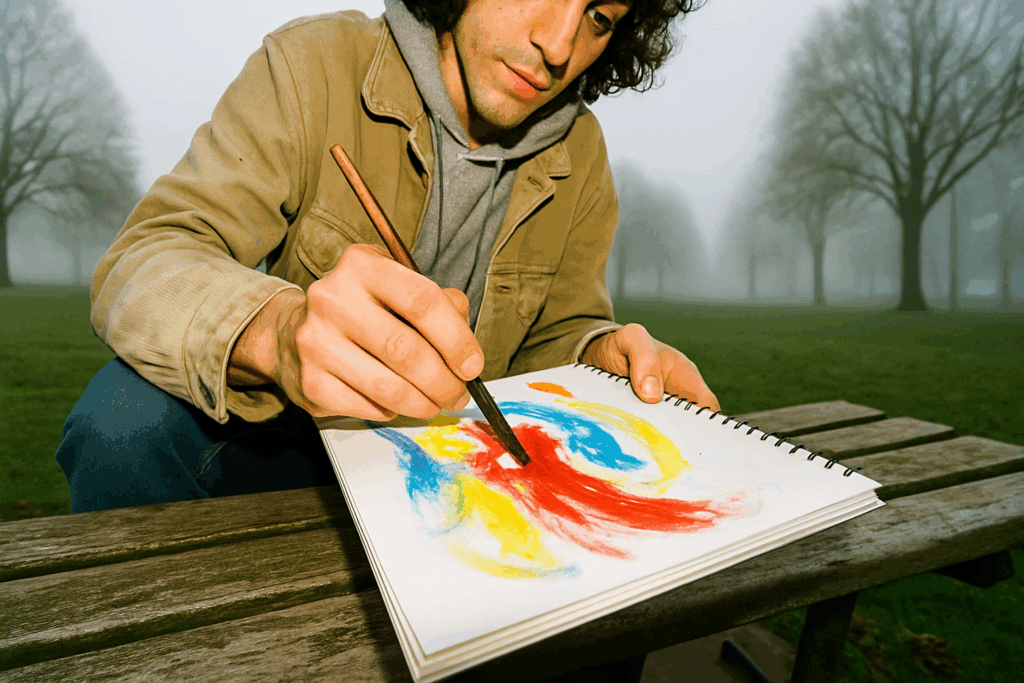
And here’s the payoff: when the technique is baked in, you can break it without second guessing. That’s where improvisation starts to feel less like guessing and more like clarity. That’s when a well placed smudge or abrupt color shift feels authentic, not accidental. You’re not just reacting. You’re responding with precision, and with freedom.
Emotion as Driver, Not Distraction
Emotional authenticity isn’t about being dramatic. It’s not about showing more tears or louder passion. It’s about anchoring what you make in something that feels real something that matters to you and will register as honest to others. That kind of emotion hits harder than theatrics because it’s grounded, not performed.
Sentimentality, on the other hand, tries to manufacture feeling with surface level cues: swelling music, soft lighting, cliché gestures. It often signals what the artist wants you to feel, but not what they actually felt. Emotional truth doesn’t need to be loud; it just needs to be clear and lived in. It shows up in restraint as often as it does in reveal.
The real trap for artists isn’t being too emotional it’s letting technical polish smother the heat of the work. Technique should carry emotion, not cover it. If you’re layering brushwork, edits, or sequences to hide a soft center, the audience will feel that gap; they might praise the detail, but they won’t remember the piece. The work that lingers is almost always the one that dared to be vulnerable under control.
When They Don’t Work Together

Every artist has seen it: a perfectly executed painting that somehow feels cold. The brushwork is tight, the color balance precise but the piece doesn’t move you. That’s technical perfection without emotional weight. It can happen when an artist becomes so focused on process, they forget the point. Audiences don’t form a connection because there’s nothing human left to hold onto just technique.
On the flip side, emotion without craft can get muddy. You pour your feelings onto the canvas or into a performance, but without structure, it lacks clarity. Viewers sense the rawness, but not the story. This over emoting can look chaotic or indulgent instead of powerful. It’s not about polishing out intensity it’s about giving it a container that makes it coherent.
Take the hyper detailed pencil illustrations found in academic drawing circles. Some stun with their exactness yet lack soul. Or performance pieces that scream with emotion but feel directionless. In both cases, the gap between emotion and technique pulls the work apart rather than letting it sing. Balance isn’t a luxury it’s the core requirement if your goal is impact, not just output.
Practical Ways to Bridge the Gap
Start with what you feel. The concept the beating heart of the piece has to come from an emotional place. That’s the fuel. But once the idea is clear, execution becomes its translator. This is where technique steps in. Whether it’s brushstroke, lighting, phrasing, or pacing your tools serve the idea, not the other way around. When emotion leads and technique listens, the result is honest and compelling.
Want to strengthen both sides? Try this: take a single idea or theme, like isolation or joy, and tackle it with strict technical boundaries maybe only grayscale, or using just five lines of text. Then flip the script: use full technical freedom, but limit the emotional tone. Both exercises stretch your creative muscle from different ends. Over time, they teach your brain to connect them naturally.
CRITIQUE TIP: When assessing your own (or someone else’s) work, ask two things. One does it make you feel? Two does it show control? You want a piece that lands both punches: emotional weight that’s grounded in thoughtful technique. If it only hits one, it hasn’t hit enough.
Real World Perspectives
Talk to enough working artists today, and one thing becomes clear: the tightrope between polish and personal truth is real. Painter Alia Benton describes it like this: “You learn all the rules to forget them just enough in the moment so the brush doesn’t lie.” Sculptor Ruben Seo adds, “Technique is your toolkit; heart is your compass.” Both emphasize a hard won balance, not a compromise. The more they’ve trained, the more they’ve learned when to trust something raw.
On the institutional side, museums and collectors are shifting too. While technical mastery still matters, curators increasingly seek work with emotional resonance and narrative risk. As Emma Kilroy, a contemporary art curator in Berlin, puts it, “We’re more interested in who the artist is trying to reach and why than whether the line work is perfect.” Emotion without mechanics gets attention. Emotion with structure gets acquisition.
Curated experiences from platforms like emotional art insights show how audiences crave layered storytelling works that resonate both from across the gallery and up close. The takeaway? The art world is expanding its definition of ‘finished.’ Beauty is no longer enough. Believability, even when imperfect, carries more weight.
Artists who walk that line who can dig deep and also deliver aren’t balancing opposites. They’re refining their voice. And that’s what sticks.
Final Moves for the Studio and the Soul
There’s no shortcut to a body of work that speaks with both discipline and feeling. It’s built in the quiet hours, day after day. A solid routine doesn’t have to be rigid it just needs to show up. Sketch daily. Paint like it matters. Reflect often, but not forever. Habits like these build the kind of technical fluency that doesn’t shout. It lets the emotion come through clean.
But it’s not only about showing up it’s about showing up honestly. In a world obsessed with polish and precision, carving out time for vulnerable work feels radical. Make space for that. Journal next to your easel. Hang half finished pieces without rushing to refine. Invite emotional risk into your process. Let discomfort teach you where the real subject lives.
What you’re aiming for isn’t perfection. It’s clarity. You want the hand to be trained, yes but also to listen. To feel. To respond. Be the artist who maps emotion with skill and care. Who builds structure not as a cage, but as a vessel. Who knows that the work only matters if it tells the truth from both the gut and the brush.
(Explore more at emotional art insights)