What Curating Really Means
Being a curator isn’t just about hanging up some good looking work. It’s about making choices that matter every piece, every placement, every silence in between has a role to play. The public sees the finished exhibition, but what they don’t see is the weeks or months of shaping a storyline that unfolds through visuals. Curators are part editor, part dramaturg. The goal is to bring together art and audience in a way that feels intentional, thoughtful sometimes even confrontational.
Balancing artistic vision with real world logistics is half the job. Budgets aren’t flexible. Neither are freight deadlines, insurance policies, or structural walls. Curators often juggle idealism with pragmatism. They speak both languages: creative and operational. What’s more, they have to think about who is walking into that space. Who’s it for? Why now? How will it land?
A well curated show doesn’t just display work it communicates. Whether subtle or loud, it tells a story. Choosing which voices are in the room and how they’re arranged defines the viewer’s journey. It’s narrative architecture, built from paint, sculpture, sound, and space.
Selecting the Right Artists
There are two main routes for getting into a show: answering an open call or being directly invited. Open calls are democratic you throw your hat in with dozens, if not hundreds, of others. They’re great for emerging artists trying to get noticed, but competition is steep and visibility isn’t guaranteed. Direct invitations, on the flip side, come down to relationships and track records. If a curator already knows your work or sees your voice fitting a specific vision, you might get tapped without ever applying. Both paths work; the game is knowing where you stand and playing it with intention.
When curators sift through submissions, they look for more than just technical skill. They’re after consistency in voice, clarity in concept, and how well the work resonates with the show’s purpose. A slick portfolio might get a glance, but substance keeps it on the shortlist.
A big part of the curator’s job is building connections between the art and a broader narrative. Some shows start with a theme others evolve musically, tuned to what artists bring to the table. Good curation doesn’t drown out an artist’s voice it responds to it, anchors it, or amplifies it inside the collective rhythm of the exhibit. That’s the quiet craft behind curating: not just picking pieces, but composing meaning.
Choosing the Perfect Space
A great piece of art in a bad space? It falls flat. The venue is as crucial as the work itself. Curators understand that where you show something fundamentally changes how people see it. Lighting, spatial flow, even background noise all of it plays into how an artwork is read and felt.
The basics start with lighting. Natural light may flatter a sculpture, but it can wash out detail in a painting. Layout matters too: does the space guide people through a narrative, or do they wander with no context? Foot traffic is equally important. A hidden upstairs gallery won’t create buzz if no one finds it. Then there’s accessibility. Can everyone get to the venue, physically and geographically? If not, your potential audience shrinks fast.
Finding the right space shouldn’t be guesswork. Curators lean on networks, referrals, and platforms designed to simplify the process. One solid resource is the exhibition space directory, which offers a curated list of venues ready for shows. Whether you’re looking for white walls or industrial grit, there’s a space out there that fits your work and elevates it.
Layout, Flow, and Storytelling with Space

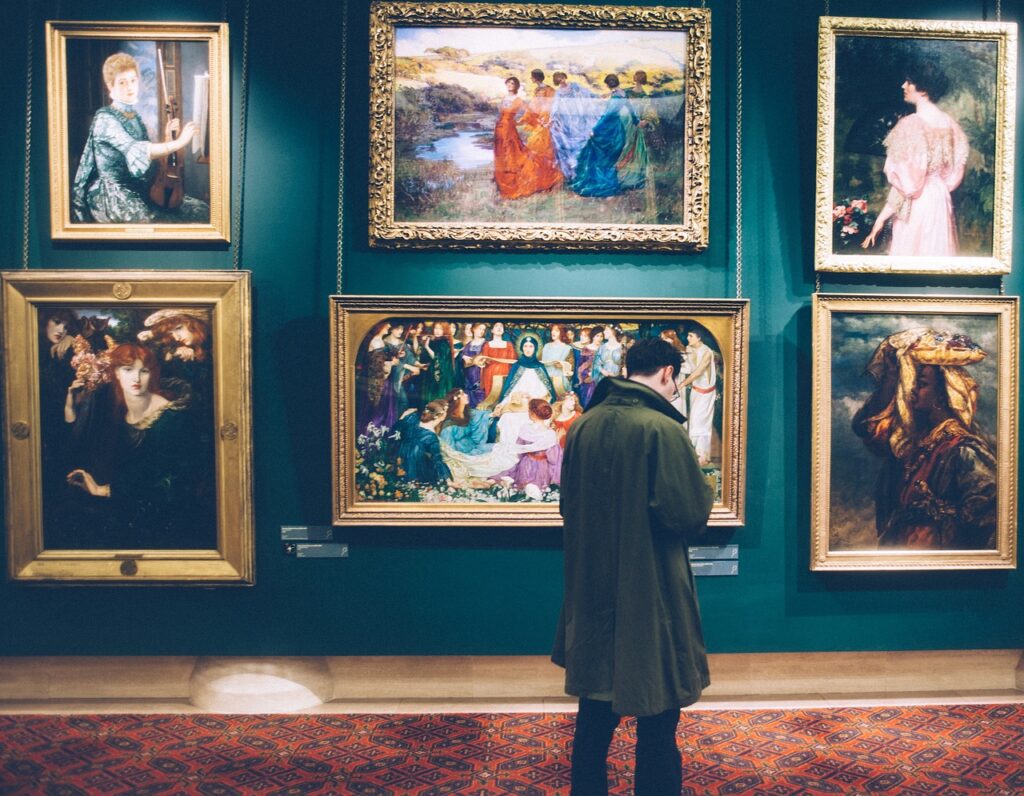
Curation doesn’t stop once the artwork is chosen. What happens next how the pieces are arranged can quietly make or break the show. The layout is what sets the mood, guides attention, and determines how a visitor feels walking through the room.
Start with emotional flow. Group pieces that speak to each other, build tension, or contrast meaningfully. Think of the space like a film sequence the order matters. Don’t crowd the walls. Give certain works room to breathe. Viewers need natural pause points, moments to step back and absorb before moving on.
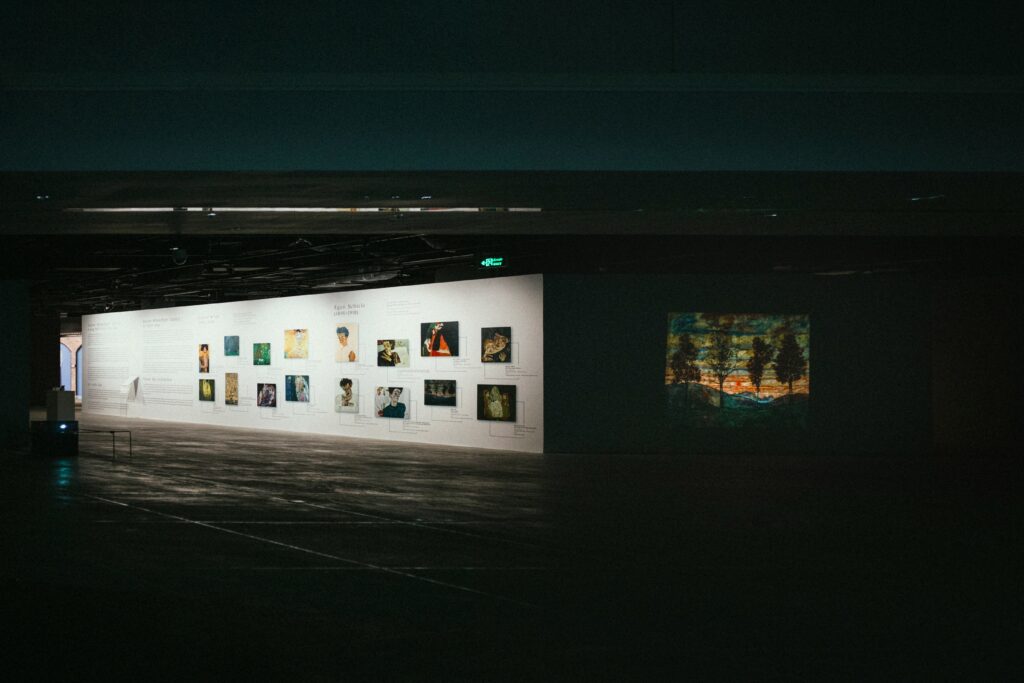
Lighting is its own language. Spotlights draw focus, while softer washes create stillness. Choose carefully: harsh glare can kill a moment, and dim corners can hide important details. Wall text plays a subtle role too not just labels, but breadcrumbs for understanding. Keep it lean but intentional.
The pacing of the experience matters. Are you making someone race through or wander slow? Sometimes it’s about directing traffic with subtle cues how a bench is placed or the openness of a corridor. Rhythm in a show isn’t about symmetry, it’s about knowing when to let the space carry the weight, and when to make people stop and feel something.
Collaborations That Make It Happen
Art shows aren’t solo acts. Behind every exhibit is a cross disciplinary crew that makes the vision concrete literally. Artists create the work, but installers make sure it hangs safely and looks right. Art handlers manage shipping logistics and fragile materials. Marketing teams craft the narrative that gets people through the door. None of it clicks without serious coordination.
Success here depends less on titles and more on communication. Problems will happen walls won’t cooperate, transport gets delayed, something always breaks. Creative problem solving and real time flexibility matter more than perfection. Curators serve as connectors, translating creative direction across teams without micromanaging.
It’s also about managing expectations. Artists have deep emotional investments. Marketers want buzz. Installers may just need clear diagrams. Everyone’s operating under pressure and different priorities. When the curator steps up as the steady hand clear, direct, and adaptable the whole machine moves. That’s how the show doesn’t just open on time but feels seamless to the audience.
Promotion, Previews, and Public Response
Good art doesn’t sell itself. That’s where curators step in not just to shape what’s on the walls, but also to control the story around it. A strong narrative runs through the press release, the email campaign, the way the show is introduced during previews. That message needs to be sharp, consistent, and tailored to who’s reading it whether that’s a museum director, a seasoned collector, or someone wandering in on opening night.
Soft openings matter. They create space to gauge early reactions, let the press and key collectors engage in a quieter setting, and offer the artist one on one feedback before the public floodgates open. Media kits help too concise bios, artwork details, and show context bundled in a clean format. It’s about making it easy for others to talk about your show the way you want them to.
Still, even the best planning needs room to bend. Whether it’s audience reception, last minute press interest, or an artwork that starts trending online, curators need to stay loose during the run. Add an extra walkthrough. Update wall text. Host a surprise panel. The smartest exhibitions evolve in real time without losing their center.
After the Show Closes
Deinstallation isn’t glamorous, but it’s where things end or begin again. Once the last visitor walks out, the space has to be cleared with precision. Crates come back in. Labels come off. Art gets wrapped, packed, and sometimes shipped to three different cities in under a week. Timelines are tight. Damages are not an option. Good curators work closely with installers and art handlers to avoid last minute scrambles. Having solid checklists and reliable humans makes the process efficient.
But the real work isn’t just taking things down it’s taking notes. Feedback comes from everywhere: offhand comments from visitors, Instagram tags, emails from artists who saw what worked (and what didn’t). Curators who listen closely during this phase build a sharper instinct for what resonates.
The best ones know this is the cycle. Wrap up, reflect, refine. Each show is a lab. Every debrief formal or casual is a data point for bolder, cleaner, smarter curating next time.
Resources for Artists and Curators
Opportunities don’t just show up you have to know where to look and how to approach them. For artists, building real connections in the art world is still the most direct line to getting work on a wall. Yes, grants are out there, but so is a sea of applicants. The smart move? Start local. Show up. Introduce yourself. Go to openings without asking for anything. Curators remember the people who participate in the scene even before they submit work.
When it comes to pitching, forget the long winded bios and vague artist statements. Be sharp and focused. Explain why your work matters, how it fits with their curatorial style, and what makes your voice worth showing. Include solid documentation well lit photos, tight captions, a short statement that gets to the point. And always, always follow submission guidelines to the letter. That alone puts you ahead of half the pack.
Looking for spaces? Tap into resources built by and for artists. The exhibition space directory is a solid starting point whether you’re just getting started or planning your next solo show.