Mornings Start with Light
Light as a Landscape Obsession
For most landscape artists, light isn’t just a visual element it’s the soul of the scene. The way light spills across a field, bends around a hillside, or filters through urban haze can entirely transform how a place is perceived and portrayed.
Light defines mood, depth, and dimension
Artists study how it shifts throughout the day and across seasons
Some maintain personal light journals, revisiting past observations to inform new work
Morning Routines: Preparation First
The first hours of the day are often spent researching and planning, not painting. Artists review previous sketches, color studies, and photo logs to decide where and how to work that day.
Review sketchbooks, visual notes, and lighting conditions from past field studies
Plan location visits and pack gear accordingly
Consult inspiration boards or seasonal reference material
Deciding the Day’s Direction
Before picking up a brush or tablet, there’s one final step: checking the weather. Weather conditions don’t just impact comfort; they shape the entire creative approach.
Favorable light = outdoor plein air sessions
Fog, rain, or harsh sunlight = studio refinement and study
Some artists thrive on unexpected weather, using it as creative fuel
Mornings are less about momentum and more about alignment between natural elements and artistic intent.
Tools, Textures, and Setup
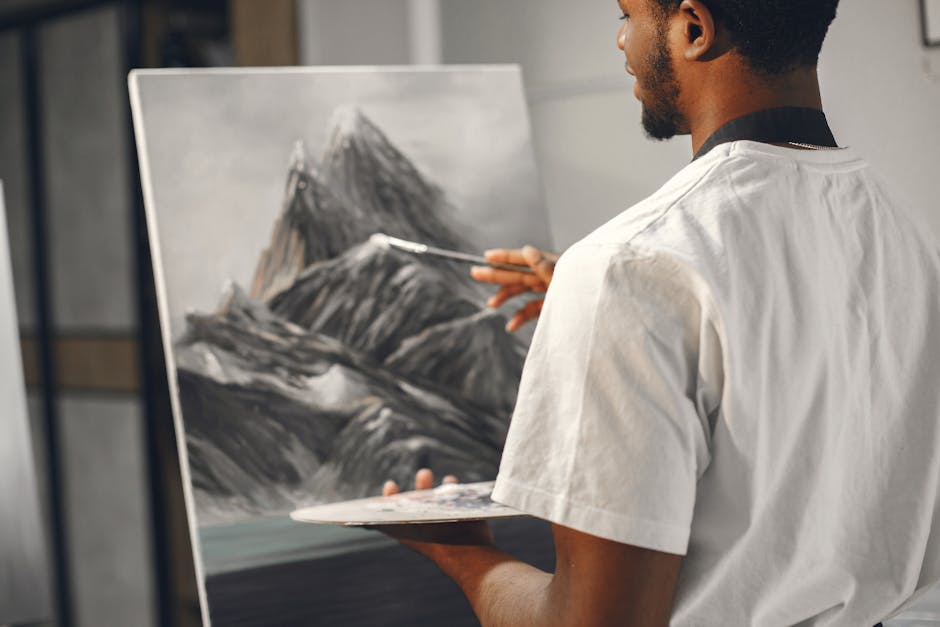
In the 2026 studio, it’s less about choosing sides and more about smart combos. Oil brushes sit next to styluses. There’s a canvas on one wall and a curved ultrawide monitor on the other. Many artists toggle between tactile and digital layering oil glazes one hour, then fine tuning a 3D terrain model the next.
Getting into flow is half the battle. Palettes get laid out with a ritual like precision, brushes ordered by texture weight, colors mixed with purpose. A playlist sometimes classical, sometimes synthwave sets the tempo. This prep isn’t just aesthetic; it’s intentional. It helps lock artists into long, focused sessions.
Still, not everything happens within four walls. Some artists won’t go a week without reaching for their field kits sleek, grab and go cases packed with compact watercolor sets, foldable easels, and charcoal pencils that can handle wind. For them, the real studio starts where the sidewalk ends.
Fieldwork: Landscapes in Motion
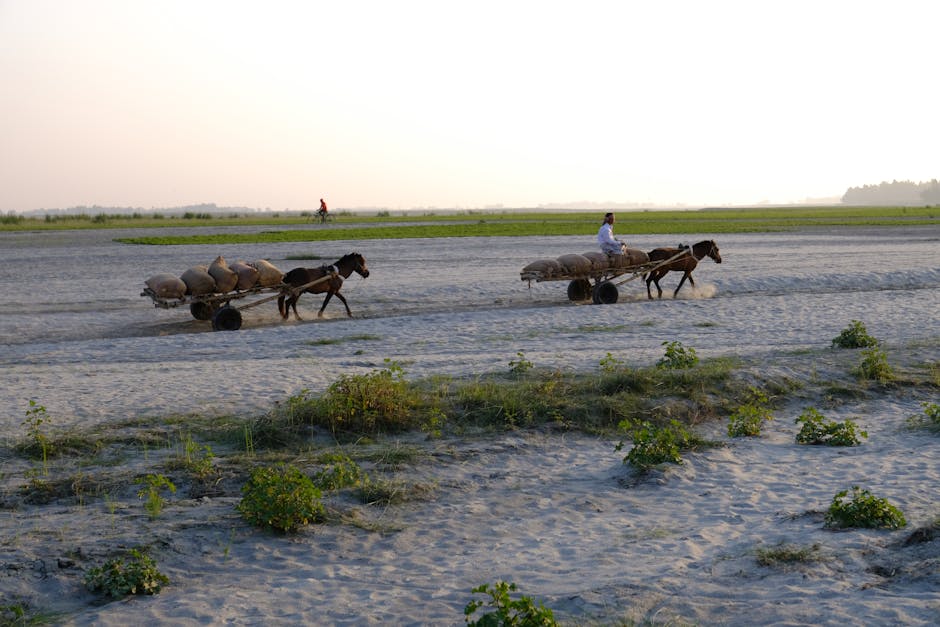
Mid morning marks a pivotal part of the landscape artist’s day when planning gives way to physical observation. If the conditions are right, many artists head out to immerse themselves directly in nature’s changing canvas.
Site Selection: Seeking the Right Scene
Artists often choose locations not just for beauty, but for complexity and challenge. Whether it’s wind tilted fields, glinting coastlines, or city parks under dramatic clouds, outings are chosen to test both technique and perception.
Rural hillsides painted in morning mist
Coastal cliffs glowing with reflected sunrise
Storm swept urban greenery offering fleeting drama
Observing and Reacting in Real Time
The fieldwork process is a constant negotiation between speed and attention. Artists must capture fleeting light and color variations before they fade, all while mentally composing the final image.
Quick sketches used to preserve initial impressions
Color notes taken to match tones later in studio
Environmental sounds and scents noted for emotional recall
Capturing Texture: Tools and Tactics
Texture is critical and often, the real magic of a landscape piece lies in how it’s felt, not just seen. Artists use multiple techniques to map texture that can’t be fully captured in a photograph.
Finger sketches on location journals
Drone photography to establish scale and composition
Grayscale studies to simplify and study form
Fieldwork isn’t just about collecting reference it’s about syncing perception with nature’s pulse, creating a visual shorthand to bring back into the studio.
Studio Silence and the Final Push
Afternoons in a landscape artist’s world are about pulling fragments into form. This is where the raw material gathered out in the field sunlit grasses, graphite lines, drone snapshots starts becoming a finished piece. The studio turns quiet, focused. Phones off. Hands steady.
Artists dive into their reference stack: sketches scrawled in the wind, images caught at just the right cloudbreak. From there, it’s all about layering. Light washes to build atmosphere. Bolder strokes to ground the scene. Scale gets adjusted. A treeline pulled back. A horizon softened. Nothing sacred, everything intended.
But this stretch isn’t just refinement. It’s where accidents can become breakthroughs. Maybe a brush slips and bleeds into something better. Maybe a stylus takes a route the mind wouldn’t. The best work often appears when the artist gets out of the way. Water spreads. Shapes remix. And suddenly, a real place becomes something remembered.
Networking, Learning, and Community
Evenings aren’t downtime for most landscape artists they’re a shift in focus. After a day spent working with light, color, and terrain, many turn toward people. This might mean logging into a critique group with peers across time zones, joining a virtual gallery event, or bouncing ideas around in a collaborative workspace. For a discipline that seems solitary from the outside, there’s a surprising amount of low key collective effort behind the scenes.
But community isn’t the only driver. Curiosity runs deep in this field. Modern landscape artists don’t just study art history they dive into ecology, geology, and architecture. They study how space functions and evolves. Some even track zoning changes or attend urban planning hearings. Inspiration can come from a mossy stone wall or a city proposal buried in a PDF.
Want to see how that curiosity translates at scale? Meet the urban muralists transforming city walls—a group proving that landscapes aren’t just found in nature, they’re built into the skin of the city.
The Rhythm of Creative Labor
A landscape artist’s workflow isn’t scattered it’s steady. There’s a logic to the balance: observing the world with patience, translating it with skill, and staying in touch with a creative community that challenges and supports. The rhythm serves the work. Every sketch, color test, and critique carves a path to a bigger picture both literally and figuratively.
In 2026, when everything else runs fast and fragments easily, grounding an art practice in place is more radical than it sounds. It means slowing down, learning the contours of a hill or the mood of a weather pattern before making a mark. It’s not nostalgia. It’s a kind of resistance intentional, physical, and deeply rooted.
This isn’t about chasing virality. It’s about showing up for landscapes in all their detail and letting them shape the work. The result? Art that quietly endures.