A Show That Doesn’t Scream for Your Attention
Some exhibits go loud giant sculptures, aggressive colors, or soundtracks that follow you from room to room. “Emotional Abstractions” isn’t that kind of show. It doesn’t crash into your senses. Instead, it lingers. It opens slow. At first, you might even wonder if you’re missing something. Then, a second look. A texture catches your eye. A detail shifts in the corner of your mind. It pulls you in, but gently.
That restraint is the point. These works aren’t here to impress in a flash they’re built for endurance. They reward patience. Let them sit with you for a while, and they start to talk: not loudly, but honestly. It’s the kind of exhibit you don’t leave buzzing about immediately. But give it a day or two, and you’ll find it’s still with you. By the time we walked out, we were dialed in. Hooked, even. It crept up on us and hit deeper because of it.
Emotional Work with Controlled Chaos
The exhibit gathers a quiet force of artists mid career and just emerging who trade spectacle for sincerity. They mostly work in mixed media, but what really pulls them together is something harder to pin down: emotional clarity. The pieces don’t shout. They hum. They press.
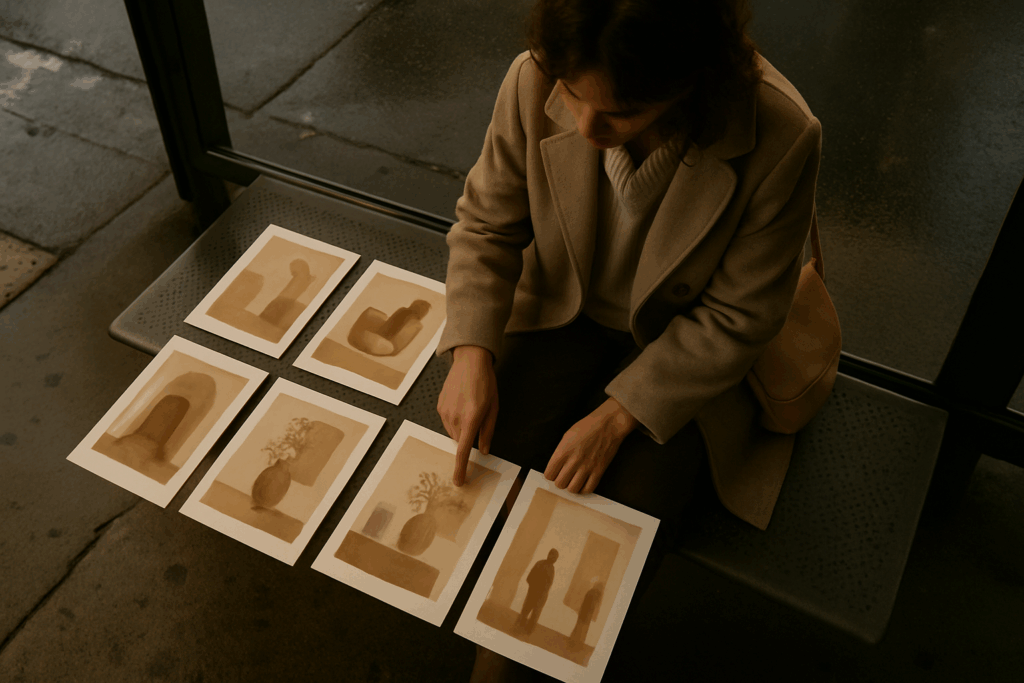
You’ll see brushstrokes that look like lucky accidents but are anything but. Layers of color fields that disappear into each other, like memories losing their shape. A standout uses soft pigments over mirrored sheets, catching both light and your reflection, then blurring them together. It doesn’t tell you what to feel it just holds space for feeling.
Negative space comes up a lot. Sometimes it feels like grief, sometimes like breath. In more than a few works, it’s the quiet parts the untouched areas that buzz the loudest. That tension carries through: joy right beside ache, comfort curling around loss. There’s no resolution, and maybe that’s the point.
Tension Between Precision and Feeling

There’s a kind of discipline running through this show but it’s not rigid. Structure’s there, but it doesn’t shout. Artists lean into form, then bend it until it nearly breaks. Lines drift off course intentionally. Color pairings feel wrong at first glance, but settle into something thoughtful the longer you look. It’s not mess. It’s controlled energy with just enough give.
That tension between tight technique and raw instinct is where the work lives. It makes you lean in. These pieces don’t try to solve the emotional questions they raise. Instead, they sit in the middle of them. The artists give up some control, and in return, the work breathes. It feels unpolished in the best way: deliberate, vulnerable, sharp around the edges. Nothing here begs for attention, but once it has it, it doesn’t let go.
A Bold Move for the Curators
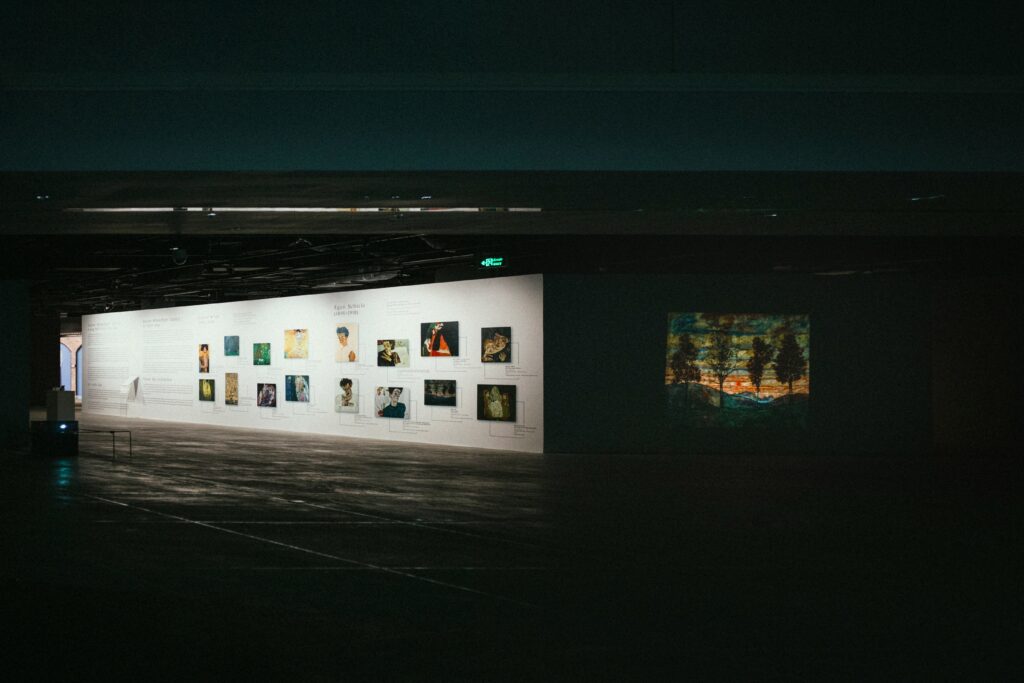
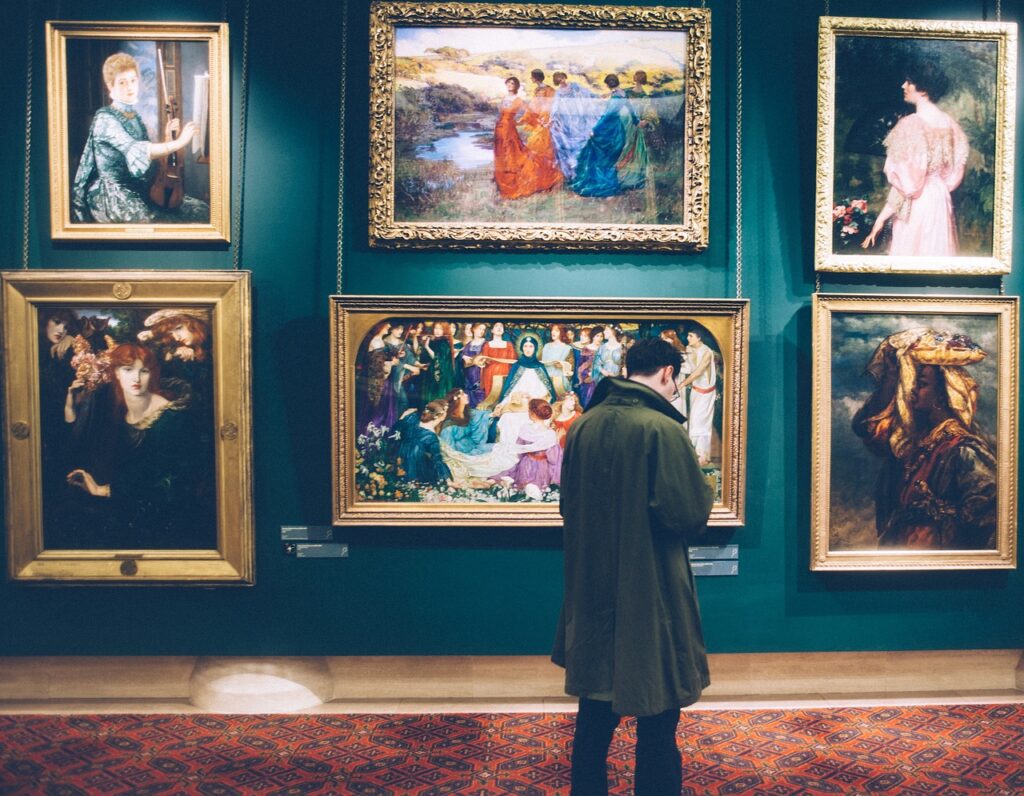
What elevates “Emotional Abstractions” beyond a solid group show is the way it’s laid out. The curation is deliberate, almost narrative. Pieces don’t just hang they converse. The early walls invite you in slowly, with softer compositions, more restrained gestures. But as you move deeper, the emotional stakes climb. Colors grow more volatile. Textures get denser. Absence becomes presence.
This isn’t curation by checklist it’s storytelling through placement. And it’s risky. There’s no instant payoff, no centerpiece sucking up all the attention. The crescendo builds quietly, and it only hits if you commit to the room. For those who do, it’s rewarding.
If that kind of curatorial care is your thing, this show hits the mark. More like it live in our archive of curated art articles, where craft in selection and sequencing gets the spotlight it deserves.
Should You Go?
If you’re chasing spectacle, this show isn’t it. No neon soaked statements or noisy centerpieces. What you get instead is something slower. Work that fades in rather than crashes down. It asks for patience. It pays you back quietly.
The payoff is real. These pieces stay with you long after the gallery’s behind you. The restraint, the balance, the emotional undercurrent you don’t just look at them, you carry them.
Highly recommended. And if this kind of thoughtful, layered experience speaks your language, check out more of our curated art articles.
 Ask Paullino Rhodesons how they got into painting techniques and tutorials and you'll probably get a longer answer than you expected. The short version: Paullino started doing it, got genuinely hooked, and at some point realized they had accumulated enough hard-won knowledge that it would be a waste not to share it. So they started writing.
What makes Paullino worth reading is that they skips the obvious stuff. Nobody needs another surface-level take on Painting Techniques and Tutorials, Creative Process Insights, Artist Features and Interviews. What readers actually want is the nuance — the part that only becomes clear after you've made a few mistakes and figured out why. That's the territory Paullino operates in. The writing is direct, occasionally blunt, and always built around what's actually true rather than what sounds good in an article. They has little patience for filler, which means they's pieces tend to be denser with real information than the average post on the same subject.
Paullino doesn't write to impress anyone. They writes because they has things to say that they genuinely thinks people should hear. That motivation — basic as it sounds — produces something noticeably different from content written for clicks or word count. Readers pick up on it. The comments on Paullino's work tend to reflect that.
Ask Paullino Rhodesons how they got into painting techniques and tutorials and you'll probably get a longer answer than you expected. The short version: Paullino started doing it, got genuinely hooked, and at some point realized they had accumulated enough hard-won knowledge that it would be a waste not to share it. So they started writing.
What makes Paullino worth reading is that they skips the obvious stuff. Nobody needs another surface-level take on Painting Techniques and Tutorials, Creative Process Insights, Artist Features and Interviews. What readers actually want is the nuance — the part that only becomes clear after you've made a few mistakes and figured out why. That's the territory Paullino operates in. The writing is direct, occasionally blunt, and always built around what's actually true rather than what sounds good in an article. They has little patience for filler, which means they's pieces tend to be denser with real information than the average post on the same subject.
Paullino doesn't write to impress anyone. They writes because they has things to say that they genuinely thinks people should hear. That motivation — basic as it sounds — produces something noticeably different from content written for clicks or word count. Readers pick up on it. The comments on Paullino's work tend to reflect that.