What’s Driving a New Generation of Painters
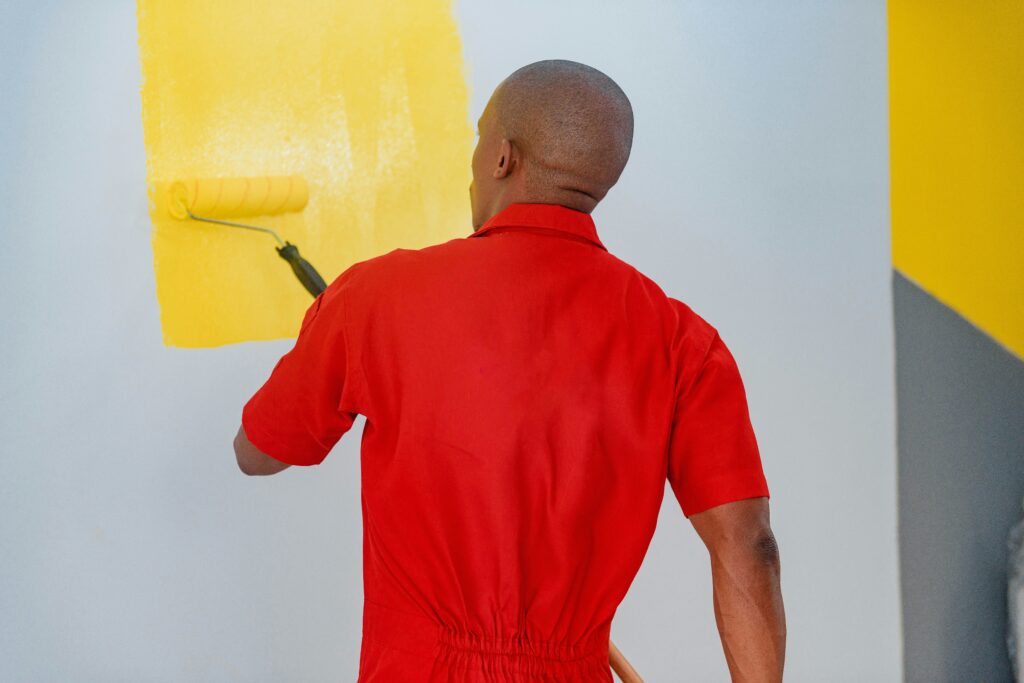
A quiet transformation is happening in the art world. Young painters today are unapologetically shifting away from traditional realism and academic technique. Instead, they’re leaning into mixed media, raw abstraction, digital fusion, and styles that don’t aim to please, only to express.
Technology is fueling this momentum. With digital tools, AI generators, and open source software, artists aren’t bound by canvas or brush anymore. A TikTok clip, a glitch in Photoshop, a 3D model these are all part of the vocabulary now. Alongside tech, a hyperconnected global culture is pushing young creatives to absorb influences from across borders: street murals in Bogotá, activist posters in Seoul, minimalist design from Scandinavia.
Social issues are also shaping the palette. Topics like climate grief, identity, migration, and online relationships are front and center in their work. These aren’t just painters; they’re documentarians of the now. They’re not waiting for galleries to find them either. Platforms like Instagram, Discord, and online residency programs are giving these artists access and visibility fast. Some are gaining international attention before age 25.
We’re watching a generation redefine not just what art looks like but where it lives, how fast it moves, and what it dares to say.
Recognizing Talent in an Evolving Medium
The art world isn’t what it used to be and that’s good news for young painters with something to say. Today’s curators and collectors aren’t just hunting for technical skill. They’re watching for originality, clarity of voice, and emotional intention. Work that feels timely, that connects to current discourse or unpacks identity in fresh ways that’s what gets attention.
Social media has turned the discovery process on its head. Instagram grids, TikTok time lapses, and behind the scenes reels can launch a career. It’s not about going viral it’s about building a recognizable footprint that reflects who you are, what you make, and why it matters. Galleries are now just as likely to find their next pick through a post as they are in a studio visit.
Meanwhile, art schools and residencies are evolving too. Traditional technique still matters, but institutions are increasingly focused on pushing concept, community, and interdisciplinary thinking. Young artists are leaving these spaces less interested in fitting into the existing art market and more driven to reimagine it. That shift is reshaping what the next era of painting looks like.
Standouts Making Waves Today
Fresh names are breaking through in painting and they’re coming from everywhere. From Lagos to Seoul, Santiago to Berlin, a wave of emerging talent is reshaping what modern art looks like. They’re ditching rigid formats and working with whatever moves them: digital layering over gouache, recycled materials turned into textured canvases, augmented reality prints that react to phones.
These artists don’t wait for permission. They post their process, drop limited run digital works, and crowdsource critiques in real time. Their themes tend to hit current nerves: climate collapse, identity, migration, the algorithmic self. But there’s wit and play, too memes reimagined in oils, pop culture references mashed with classic portraiture.
What makes them stick with younger audiences isn’t just aesthetic. It’s how they show up. They’re honest about burnout, transparent about pricing, and vocal about where they stand socially and politically. It’s less mystery, more movement they’re not aiming for secret genius status in a quiet studio somewhere. They’re building full blown ecosystems around their work, and they’re making the art world keep up.
Where to Find More Artist Spotlights
The art world isn’t as closed door as it used to be. Step into the artist insight articles and you’ll find more than just names you’ll get stories, process breakdowns, and honest looks at how the next wave of painters is building their careers differently. These aren’t just profiles, they’re blueprints.
Curators are highlighting work that challenges old definitions of success. It’s not about gallery sales alone. It’s about cultural impact, community engagement, and consistency. Some of these artists are racking up residencies and awards, sure but others are carving their own lanes through direct to collector models and digital platforms.
What’s driving them? Everything from climate anxiety to ancestral memory, identity, and raw curiosity. Whether their paint is on canvas, found materials or pixels, their motivation is deeply personal and often political. These are creators who aren’t just making within the system they’re reimagining what success looks like. And pages like the Artist Insight section give them the space to explore that vision.
Why These Voices Matter
For many young painters today, art isn’t just about technique it’s how they make sense of a chaotic, connected world. Their canvases tell stories of climate anxiety, digital identity, migration, and resistance. Some are loud and raw; others are quiet but sharp. What ties them together is urgency. They’re reflecting real things in real time, sometimes messy, always human.
This generation doesn’t see barriers between fine art, pop culture, or activism they collapse them. Memes live next to renaissance references. Protest signs get reimagined as brushstroke heavy portraits. These artists are building bridges that older institutions often missed or ignored. The result is work that lives both in galleries and in your feed, sometimes the same day.
And they’re not just participating in the art world they’re reshaping it. What counts as “modern art” is evolving fast because their definitions come from lived experience, not a textbook. By turning personal narratives into collective symbols, they’re expanding the edges of what art can say, and who gets to say it.
Keep Watching This Space
If you’re paying attention to the future of modern painting, now’s the time to tune in. A few names are starting to break into bigger conversations. Keep an eye on Lena Mora, whose muted urban portraits blend generational angst with subtle surrealism. Don’t sleep on Haruto Seki either; his abstract ink and light installations are gaining traction across virtual galleries and AI powered art spaces. Both are proving that “digital native” doesn’t have to mean gimmicky.
On the horizon, the annual NeoCanvas Expo slated for Berlin in September is gearing up to feature breakout artists from South America and Southeast Asia. Meanwhile, WatchFrame, a streaming platform for curated art shows, is launching a series of interactive painter profiles later this year.
The point? Don’t just scroll past. These creators aren’t just talented they’re shaping the visual language the next generation will grow up with. For deeper dives, more picks, and what’s next in the world of modern painting, you can explore our full artist insight articles archive.