How Music Shapes Mood and Movement on the Canvas
Music isn’t just background noise it’s a metronome for the hand. Every rhythm, every beat touches the brush first. Artists often find their strokes syncing to the tempo without even noticing. A driving drumbeat might pull faster, choppier marks from the hand. A slow, melodic piano can slow the entire painting process, letting softness and subtlety emerge.
Tempo becomes the emotional undercurrent. Quick rhythms invite urgency and chaos. They lead to bold slashes, splatters, and broken shapes. On the flip side, ambient tones stretch time and soften the palette. These moments are about flow, nuance, and emotional layering. The style shifts, and the energy translates directly to composition structured or unrestrained depending on the sound.
Rhythm changes how you approach the canvas, both physically and mentally. Next time you paint, try shifting your playlist mid session. Watch how even that one change pushes your brushwork somewhere new.
Cross Sensory Creativity: Listening to Paint
Synesthesia isn’t fiction it’s science. At its core, synesthesia is a neurological trait where the stimulation of one sense involuntarily triggers another. For some artists, this means hearing a chord and instantly picturing a color. A note becomes blue. A melody takes the shape of spirals or jagged lines. It’s not metaphor. It’s perception.
But you don’t have to be clinically synesthetic to cross wires between sound and sight. Many creators develop internal systems subjective, but consistent for translating music into visual elements. Sharp snares might become thin red strokes. A deep bassline could swell into wide indigo shapes. The trick is tuning your attention to both how music feels and how it moves.
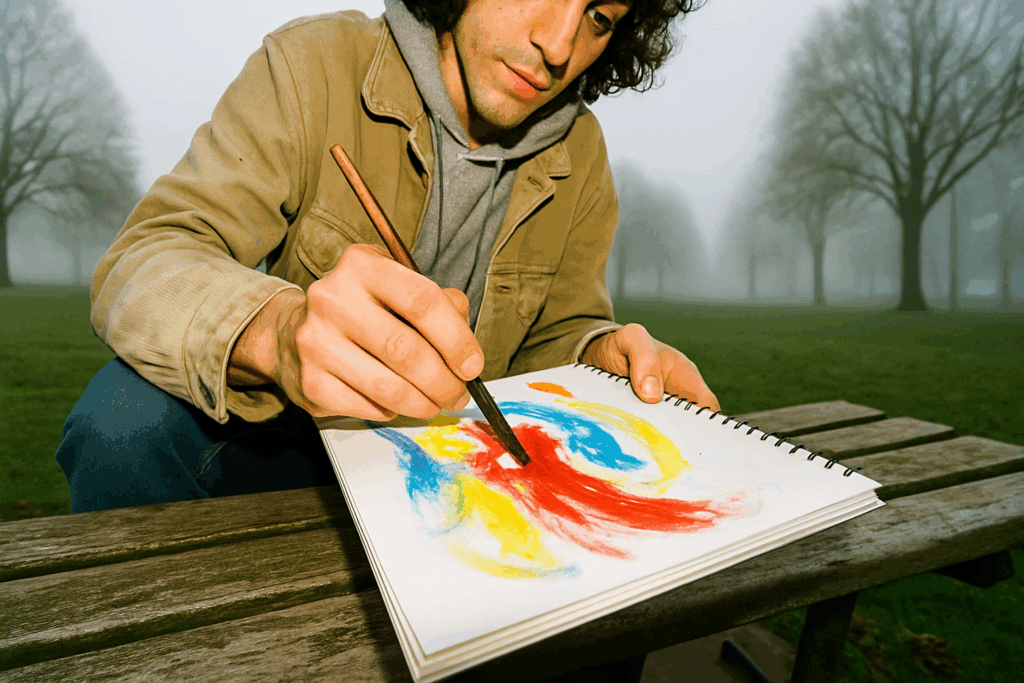
Want to build your own translation method? Start simple. Pick a song. Sketch while listening, one song per page. Don’t worry about making sense capture impulse. Then review. Ask: what textures came from the drums? What shapes belonged to the vocals? Over time, patterns emerge. You’ll start seeing your own ‘color key’ to music.
Cross sensory creativity is less about accuracy and more about authentic reaction. Think of it as developing your own visual dialect one born from sound.
Finding Your Soundtrack for the Studio
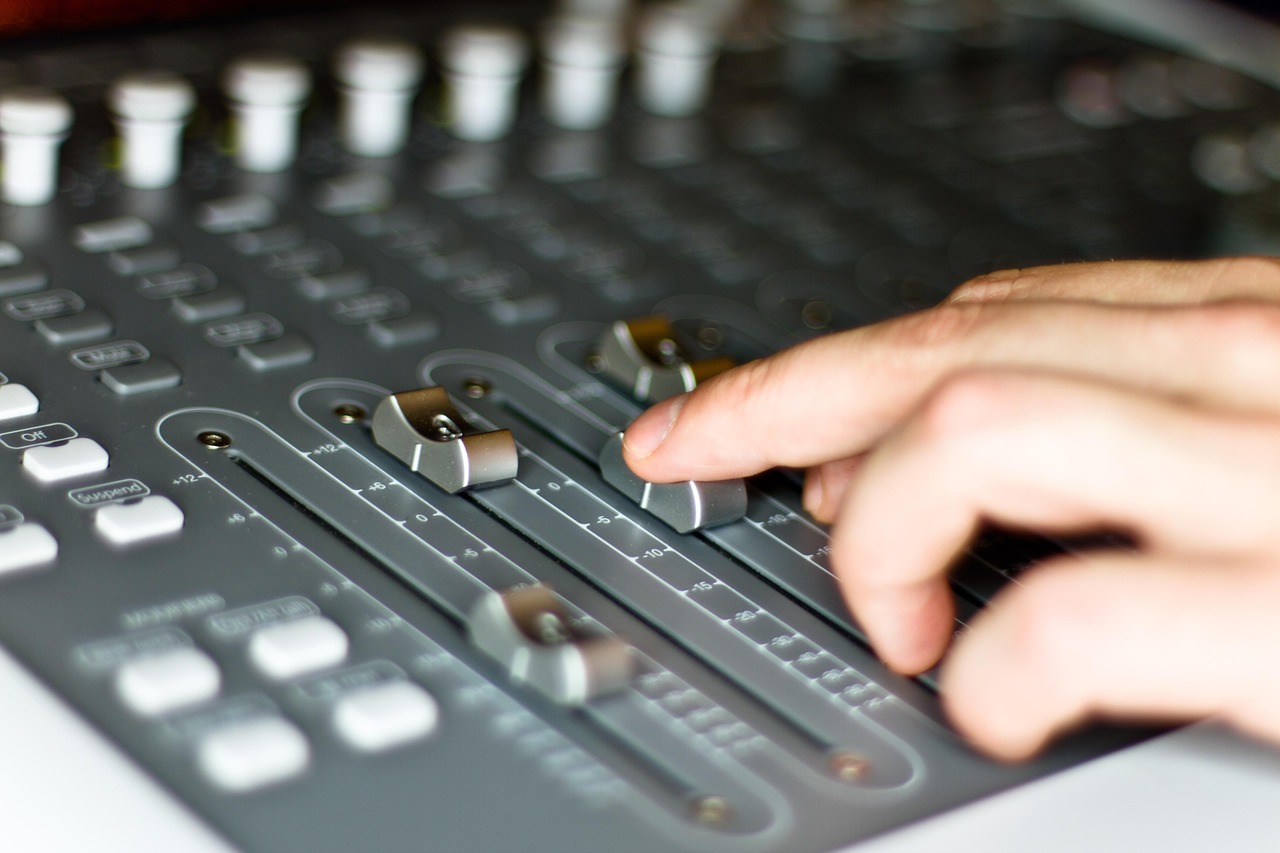
Not all phases of painting ask for the same energy and not all music gives it. When brainstorming, many artists lean toward atmospheric or ambient pieces. It’s less about lyrics and more about space, letting your imagination stretch. During the layering phase, think rhythm. Lo fi beats, soft jazz, or instrumentals with steady tempo help sustain momentum without hijacking your focus. For final detail work, trim the noise. Try minimalist piano, string quartets, or even silence anything that lets precision lead.
Live music adds another dimension: raw, unpredictable, full of texture. It brings a sense of presence that’s hard to match with recorded tracks. That said, recorded music gives you control. You can replay a loop for hours if it gets you in the zone. There’s no wrong answer, only what keeps you moving.
Plenty of artists used music as more than background. Kandinsky thought sound and color were spiritually entwined. Basquiat blasted bebop while painting fast paced and fierce. Georgia O’Keeffe preferred silence but leaned into nature’s rhythms. They each found their pace. So can you.
Explore expert stories here: inspiration from the pros
Genre by Genre: What Different Sounds Can Spark
Different genres of music do more than set the mood they act as tools. Classical and baroque pieces, with their structured layers and calculated dynamics, are ideal when detail matters. Think of slow building textures, precise brushwork, or anything that requires critical focus. There’s something about Bach that slows the pulse and sharpens control.
Jazz, on the other hand, lends itself to movement and risk. It’s imperfect by design. If you’re painting something abstract or expressive, improvisational jazz untethers the rules and invites spontaneous decisions. Lean into the off beat. Let the horns guide your hands.
For artists chasing atmosphere over form, electronic or ambient genres can be gold. These styles don’t demand attention they create a textured backdrop you can vanish into. Great for sweeping palettes, layered gestures, or paintings built around tone and feel rather than narrative clarity.
And then, there’s silence. Not every session needs a score. Sometimes, removing the input lets your visual instincts lead without distraction. If you find yourself leaning on music as a crutch or tuning it out entirely anyway it might be time to turn it off. Let the absence of sound do the talking.
The right soundtrack won’t make the painting but it can give you more ways to show up on the canvas.
From Vibe to Visual: Making Music Part of the Process
A song isn’t just background noise. For many painters, it’s structure, story, and spark. Translating lyrics and emotional tone into conceptual art means paying attention not just to what a song says, but how it feels. Think beyond the literal. A breakup track loaded with tension might lean into sharp textures or blown out scale. A dreamy indie ballad? Cool tones, curved forms, negative space. The trick is listening with intent, then trusting the instinctive response on canvas.
Music also works as a timer. Short albums, lo fi beats, or 20 minute instrumental sets can shape laser focused painting sessions. No need to watch the clock when the music ends, so does the phase. This approach keeps flow tight and distractions minimal.
Artists are also building entire collections from a single album or genre. One artist might create a series of grayscale oils inspired by Radiohead. Another might pull pastel heavy acrylics from synth pop. The idea isn’t gimmick it’s cohesion. Viewers sense the tone, even before they know the source.
Need more strategies like these? Dig deeper into artistic process strategies: inspiration from the pros.
Takeaway: Build a Routine That Harmonizes
Painting isn’t just about color it’s about rhythm. Syncing your creative workflow to a musical beat can change everything. Whether it’s setting the pace for layering mediums or keeping you locked into a detail session, music can anchor your focus and energy. Start simple. Put on a track as you open your sketchbook. Let the tempo guide your warm up strokes. No elaborate plan needed.
Now, don’t get stuck on just one sound. Shift things up. Rotate between jazz, ambient, gritty rock, or total silence. Use high energy music when you hit a creative wall. Switch to calmer tones when refining or reflecting. Volume matters too louder tracks can drive bold decisions, while soft soundscapes offer room to think.
The key here: music supports your process it shouldn’t commandeer it. If you feel locked into a playlist, switch gears. Let music nudge you, not steer. When done right, the rhythm becomes an extension of your brush not a distraction from it.