
The Core Differences
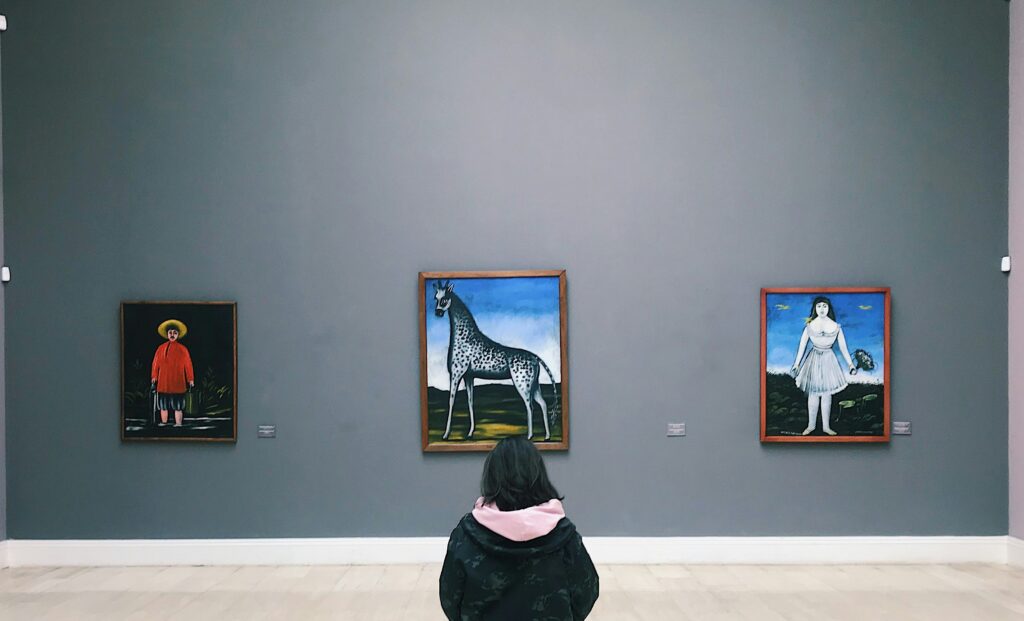
Classic art galleries feel like you’re stepping into the past. The walls carry centuries Renaissance oil panels, Baroque drama, rays of light from Impressionist brushstrokes. These works are technical, studied, and hold tight to the traditions they grew from. They weren’t just painted they were built.
In contrast, contemporary galleries run on fresh voltage. These spaces elevate living artists, often diving headfirst into the unconventional: experimental media, conceptual frameworks, digital installations, and socially charged commentary. There’s less about rules and more about intent, message, and impact.
The pacing between the two is striking. Classic galleries slow you down. Time stretches out as you navigate carefully lit rooms and historic context. Contemporary spaces ask you to stay sharp shifting themes, bold format jumps, and statement pieces that respond to now, not then. It’s less museum, more mirror.
The Visitor Experience
Walking through a classic gallery feels like paging through a well ordered textbook. Paintings hang in neat rows, usually grouped by time periods or movements. You’re guided not just by the art but by the context plaques go deep into history, technique, or the artist’s background. You don’t just see the brushstrokes; you learn why they mattered.
Contemporary galleries take a different route. You’re often met with open space, plenty of white walls, and far fewer cues. Labels might be sparse or intentionally vague. The idea is to make you think, react, maybe even feel uncertain. The work doesn’t hand you meaning it asks you to dig for it.
There’s also a noticeable shift in atmosphere. Classic galleries can feel almost sacred, with hushed tones and velvet ropes. Contemporary spaces tend to be looser experimental layouts, bold audio visual pieces, and maybe a kid doing a TikTok dance in the corner. For some, it feels freeing. For others, it’s disorienting. Either way, the experience sticks with you.
Art Engagement and Accessibility

Contemporary galleries are flipping the old rules. Rather than just letting you look, they often want you to interact. Artist talks, immersive installations, and AR/VR components are showing up more frequently turning a gallery visit into an experience, not a silent march past static canvases. The vibe is more open, more collaborative. It’s not about standing in awe; it’s about asking questions, even if you don’t have answers yet.
Classic art, for all its value and legacy, can still feel like a closed room if you’re not already holding the key. Centuries old oil paintings come with their own coded language, and it’s easy to feel like an outsider. Some institutions are rethinking this offering better wall texts, guided tours, or inclusive programming but the gap in accessibility hasn’t fully closed. Interpretation matters. Without context, some visitors only see beauty in the surface, missing the deeper threads.
How we engage with art is changing, and who feels invited to the conversation is changing with it. That’s a good thing.
What’s Selling (and Who’s Selling It) in 2026
The art market isn’t standing still. Contemporary works especially those with digital roots are pulling in younger collectors. That surge was turbocharged by NFTs, but we’re now seeing things cool down. The hype is wearing off, leaving behind a more focused collector base looking for meaning and originality rather than quick flips.
Still, classic art remains the backbone for long term investors. It doesn’t always set social media on fire, but it holds its value and rarely rattles in a downturn. Big auction houses know the deal: classic pieces come with provenance, prestige, and price stability. It’s safe, even if it lacks the edge.
Meanwhile, attention is shifting to smaller and lesser known galleries. A decade ago, they were seen as stepping stones. Today, they’re destinations. Part of it’s social media Instagram in particular is turning hidden corners of Berlin, Oaxaca, and Seoul into must see art stops. Add in a mobile, curious audience and the global art scene gets more democratic and more surprising.
Check out some of these rising spots here: Hidden Gems: Lesser Known Art Galleries Worth Visiting.
Choosing What’s Right for You
When deciding between classic and contemporary art galleries, your personal interests and goals as a viewer or collector should guide your path. Each offers a completely different lens with which to view the world and your choice might reveal more about your own tastes than the art itself.
Go Classic If:
You’re drawn to storytelling through history
You appreciate technical mastery and timeless beauty
You seek a deeper understanding of cultural and artistic heritage
You enjoy curated, structured settings with scholarly context
Classic galleries offer a sense of reverence and refinement. They immerse you in art that has shaped centuries of aesthetic and philosophical thought. For those with an interest in legacy, history, and fine craftsmanship, classic galleries provide a rich, rewarding experience.
Go Contemporary If:
You’re excited by bold themes and modern perspectives
You value interactive or cutting edge mediums (like digital or mixed media)
You want to be part of ongoing cultural conversations
You enjoy a more relaxed, open ended gallery vibe
Contemporary galleries are ideal for viewers who want to challenge perspectives, explore brave new formats, and even meet the artists behind the work. They’re more dialogue than lecture.
Why Not Both?
Experiencing both types of galleries can be enlightening. The contrast helps you appreciate how far art has come and how it continues to evolve.
Classic art frames where we’ve been
Contemporary art opens paths to where we’re going
Blending both offers a complete picture of art’s role in shaping identity, society, and future expression
Whether you’re wandering the marble halls of a museum or ducking into a pop up exhibit in a warehouse, each experience adds depth to your understanding of art and yourself.
 Ask Paullino Rhodesons how they got into painting techniques and tutorials and you'll probably get a longer answer than you expected. The short version: Paullino started doing it, got genuinely hooked, and at some point realized they had accumulated enough hard-won knowledge that it would be a waste not to share it. So they started writing.
What makes Paullino worth reading is that they skips the obvious stuff. Nobody needs another surface-level take on Painting Techniques and Tutorials, Creative Process Insights, Artist Features and Interviews. What readers actually want is the nuance — the part that only becomes clear after you've made a few mistakes and figured out why. That's the territory Paullino operates in. The writing is direct, occasionally blunt, and always built around what's actually true rather than what sounds good in an article. They has little patience for filler, which means they's pieces tend to be denser with real information than the average post on the same subject.
Paullino doesn't write to impress anyone. They writes because they has things to say that they genuinely thinks people should hear. That motivation — basic as it sounds — produces something noticeably different from content written for clicks or word count. Readers pick up on it. The comments on Paullino's work tend to reflect that.
Ask Paullino Rhodesons how they got into painting techniques and tutorials and you'll probably get a longer answer than you expected. The short version: Paullino started doing it, got genuinely hooked, and at some point realized they had accumulated enough hard-won knowledge that it would be a waste not to share it. So they started writing.
What makes Paullino worth reading is that they skips the obvious stuff. Nobody needs another surface-level take on Painting Techniques and Tutorials, Creative Process Insights, Artist Features and Interviews. What readers actually want is the nuance — the part that only becomes clear after you've made a few mistakes and figured out why. That's the territory Paullino operates in. The writing is direct, occasionally blunt, and always built around what's actually true rather than what sounds good in an article. They has little patience for filler, which means they's pieces tend to be denser with real information than the average post on the same subject.
Paullino doesn't write to impress anyone. They writes because they has things to say that they genuinely thinks people should hear. That motivation — basic as it sounds — produces something noticeably different from content written for clicks or word count. Readers pick up on it. The comments on Paullino's work tend to reflect that.