
Beyond the Big Names
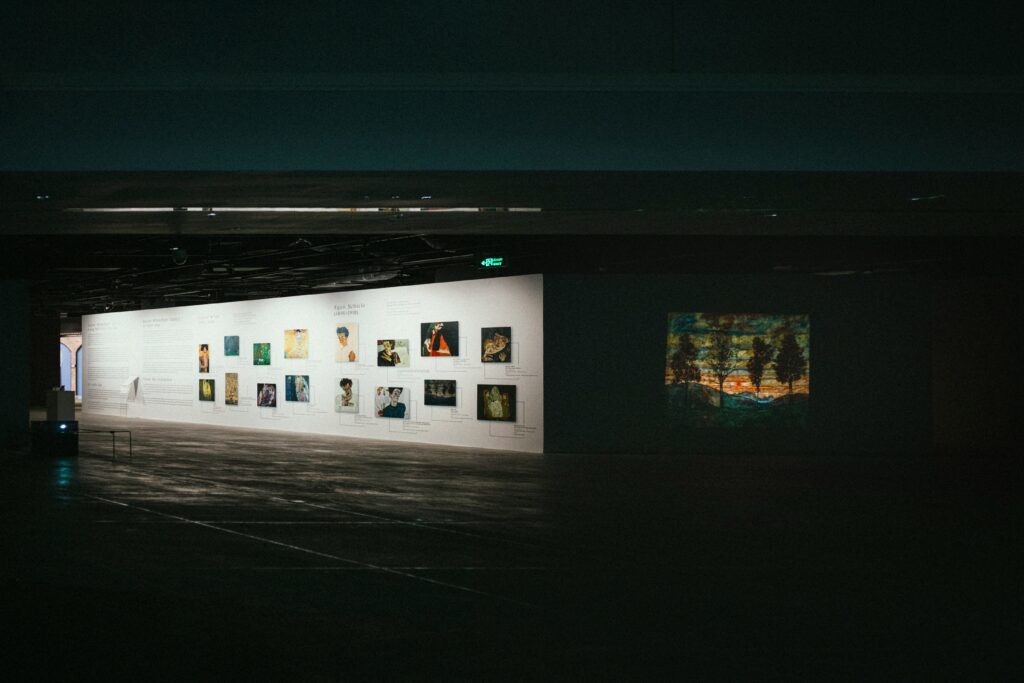
In 2026, travelers and art lovers are craving deeper, more personal experiences. While headline grabbing institutions like the Louvre or MoMA hold timeless appeal, there’s a growing shift toward more intimate, under the radar galleries that offer something the major players often can’t: presence, authenticity, and discovery.
Why Small Galleries Are Gaining Ground
Lesser known galleries are seeing increased attention for several compelling reasons:
Intentionality: These galleries often spotlight artists with bold points of view, unafraid to challenge mainstream artistic norms.
Connection: The viewing experience is slower and more interactive visitors aren’t jockeying for position in front of famous works.
Uniqueness: Each space often represents a specific region, culture, or conceptual lens that creates a truly one of a kind experience.
What You Miss by Only Visiting the Big Names
The grandeur of world renowned museums can overshadow smaller voices in the art world. By bypassing lesser known galleries, you might miss:
The chance to experience art in a more personal, immersive context
Works from emerging or regional artists poised for global recognition
Dynamic, often challenging exhibits that push boundaries without the filter of mass market appeal
The Quiet Power of Hidden Gems
Big crowds and blockbuster exhibits make headlines, but hidden gem galleries offer subtler rewards:
Less Noise, More Impact: Without the hustle of major venues, every piece has room to breathe and so do you.
Closer Conversations with Art: With fewer distractions, the connection to an artwork or artist deepens naturally.
Frontline of Talent: Many of today’s international stars began in these very spaces, long before art world fame.
In short, skipping the well trodden paths could lead you to some of the most memorable artistic encounters of your journey.
The Lumen Room Asheville, North Carolina
Tucked into the foothills of the Blue Ridge Mountains, The Lumen Room gives Appalachian art a sharper, more contemporary edge. Rather than leaning on rustic clichés, this gallery pulls from the region’s complex ties to labor, land, and identity. Think: layered textile works stitched with historical documentation, or photography that reframes rural iconography with quiet defiance.
Curators here aren’t chasing trends they’re surfacing stories. Many of the artists featured have deep generational roots in the region, but their work lives solidly in the now challenging outside perceptions while staying grounded in place. The result is a body of work that’s gritty, thoughtful, and refreshingly unpolished.
If you think you’ve already seen “Appalachian art,” chances are you haven’t seen it like this.
What These Galleries Offer That Big Ones Can’t
Hidden galleries stick to their guts. Most are shaped by the hands of curators or artists who built something because no one else was. There’s usually no boardroom, no agenda just a crystal clear sense of what belongs on the walls. That intentionality shows. Walking into these spaces, you feel that every piece was chosen with care, not checkbox diversity or crowd pleasing trends.
You also get access. It’s not unusual to find the artist themselves by the counter, or the curator walking you through why a stack of sound responsive ceramics matters. Conversations replace placards, and questions aren’t just allowed they’re the point. This kind of closeness makes the art hit differently. It’s raw, not polished for mass tourism.
And then there’s the timing. These places take chances. Many host first solo shows or debut work fresh from the studio. You get to see ideas before they’re filtered through critics, museums, and market pressure. What feels experimental today could dominate headlines tomorrow. The big institutions will catch up eventually but you were there before the rest of the world noticed.
How to Spot a True Hidden Gem
Finding a gallery worth your time starts with one question: does it actually stand for something? Look at the programming are the exhibitions scattered, or is there a backbone, a theme, a recurring intention? A strong curatorial voice usually points to a space doing more than just filling walls.
It also shows in artist selection. Many of these lesser known galleries don’t pick artists at random. They follow a set of ideas supporting underrepresented voices, pushing tech boundaries, or amplifying issues like climate or identity. The best ones have an editorial edge, not unlike an indie magazine. If you’re curious about how this works behind the scenes, here’s a deeper dive: How Curators Select Artwork for Gallery Exhibitions.
Lastly, tap into the local pulse. Arts calendars especially neighborhood focused ones usually hint at shows that matter. Even better, ask people who live nearby. Locals always know which doors are worth opening before they trend.
Making the Most of Your Visit
Even the most compelling galleries can fall flat if you rush through them or miss out on connecting moments. Visiting a hidden gem is as much about the atmosphere and exchange as it is about the art itself. Here’s how to make your experience count:
Attend Exhibit Openings and Artist Talkbacks
One of the biggest advantages of smaller, lesser known galleries is direct access to the creators behind the work.
Go during opening nights or scheduled talkbacks to hear the artist speak about intent, process, and technique
These visits often foster candid conversations and allow deeper insight into the exhibition’s development
Bonus: you’ll likely meet fellow art lovers and creatives from the community
Subscribe to Gallery Newsletters
Don’t rely solely on social media to keep up with emerging galleries.
Newsletters often include:
Early access to exhibitions
Behind the scenes curator notes
Special invites to private showings or workshops
Some even share artist interviews or feature previews of upcoming installations you won’t find elsewhere
Embrace Alternative Mediums
If you’re only looking for oil paintings and photography, you might miss some of the most forward thinking work in visual storytelling today.
Be open to experiencing:
Sound art and audio landscapes
Interactive digital installations
Virtual reality (VR) experiences that transform the viewer into a participant
These mediums are not gimmicks they are trusted by rising creators to challenge the way we see, hear, and feel art
By being intentional about when you go, what you sign up for, and how open your mind is, you’ll walk away with more than a gallery visit you’ll gain a memorable moment of cultural connection.
One Last Tip
Let Curiosity Lead You
The most memorable art experiences aren’t always in the spotlight. In fact, the galleries that leave a lasting impression often don’t advertise themselves loudly they wait for you to lean in.
Hidden gems tend to reward patience and presence
They offer unexpected depth, especially when approached with fresh eyes
Their value comes not from hype, but from intention
Why It Matters
In an age of scrolls and spectacles, subtlety is a radical act. These galleries provide spaces where art isn’t just seen but felt where discovery is personal and meaning is unrushed.
Final Thought
If you want to experience art that moves you, don’t just follow the map. Let the detour be the destination. Stay curious, stay off the map.