
Setting the Exhibition’s Vision
Every exhibition starts with a question: What story are we telling? A successful show doesn’t just happen it’s built on a solid idea that acts as the spine for every curatorial decision that follows. That idea can be sparked by a cultural moment, an overlooked artist, a formal concept (like color or material), or a response to the public mood. But it has to be clear. Without purpose, it’s just pictures on walls.
Once the concept is on the table, curators align it with the gallery’s mission whether that’s showcasing emerging voices, pushing experimental work, or drawing in broader audiences. Not every great theme fits every space. Knowing the gallery’s identity guides the scope and tone of the show.
Then comes the tricky part: pushing boundaries without falling apart. Strong exhibitions take risks. Weak ones overload. Smart curators strike a balance they highlight standout pieces, integrate surprises, and still make the entire thing feel intentional. Boldness is nothing without cohesion.
It’s a job that requires vision, not just taste.
Reviewing the Artist Pool
Curators don’t wait for talent to knock on the door. They go looking for it everywhere. Studio visits are still gold. Nothing replaces standing in the room with the work, talking shop with the artist, picking up on things that don’t show in reels or portfolios. But time is tight, and curators cast a wide net.
Open calls give emerging voices a shot especially when the gallery wants fresh energy. Art fairs are where you spot the buzz and see who’s turning heads beyond their local scene. And digital platforms? They’re no longer the alternative they’re part of the main pipeline. Instagram, artist run spaces hosting virtual shows, even niche newsletters have become scouting ground zero.
Still, it’s not just about what looks good on a wall. Reputation can get attention, but it doesn’t seal the deal. Raw potential those ideas that hit you hard and hang around often edges out polish. Curators are betting not just on a piece of art, but on a practice. The question they ask: is this someone with a real point of view, or just a moment of hype?
Evaluating the Artwork Itself
Curators don’t just glance at a piece they scan it with intent. Visual impact comes first. Does it stop you in your tracks? Is the technique solid, even if unconventional? Great art in a gallery has to hold its own in the room, sometimes in the company of giants. Whether it’s finely detailed or rough and raw, craftsmanship needs to show up.
But visual execution alone won’t carry a piece. Concept trumps decoration. Originality matters there’s no room for echo chambers. What is the artist saying, and does it go beyond the familiar? A strong concept doesn’t have to scream to be heard, but if it blends into the background, it’s likely out.
Finally, every exhibition tells a story or it should. Curators are looking at how each work fits into the wider message. Does it reinforce, challenge, or shift the narrative? The best pieces don’t just exist on their own they create friction, connection, or contrast with everything around them. That’s what makes a show feel intentional, not like a warehouse of interesting objects.
Logistics Behind the Scenes
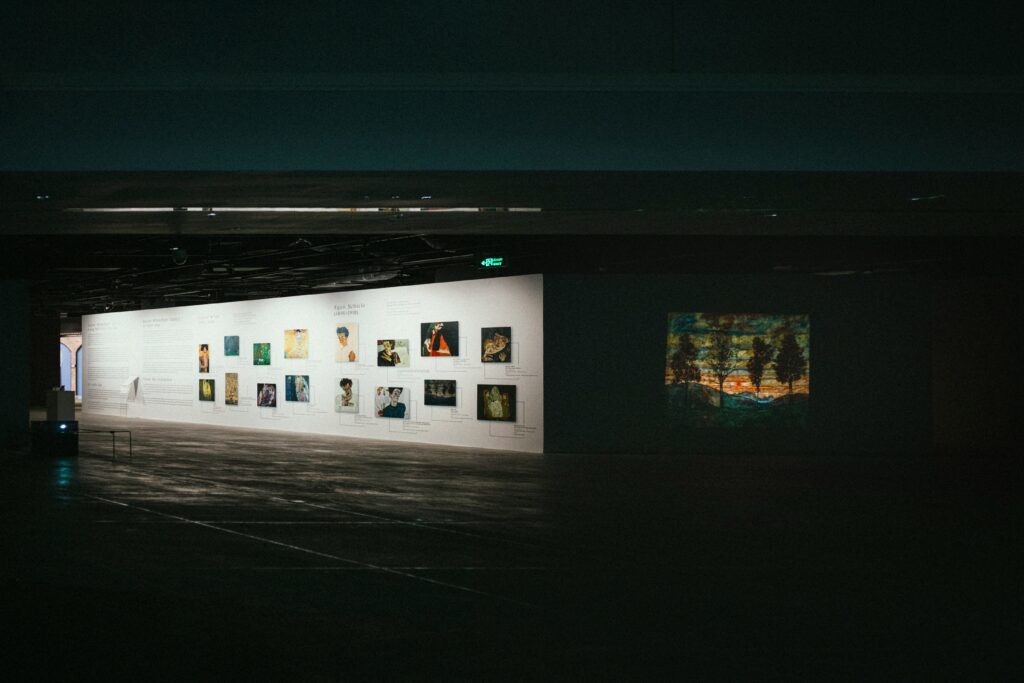
Curation isn’t just about picking great art it’s about making it work in real space and time. Step one: space planning. The size of the room, ceiling height, wall configuration, and lighting all steer the layout. Some works need breathing room. Others spark meaning when paired closely. Add to that the invisible choreography of how visitors move. Where do eyes land? Where do feet pause? Each choice shapes the rhythm of the experience.
Then there’s the nuts and bolts: shipping, framing, and insurance. Forget to prep for freight timelines or miscalculate handling insurance, and a show can fall apart before the doors open. Frames must enhance, not distract. Crates must protect, not crush. Costs stack up fast, so these decisions are as strategic as aesthetic.
Behind every piece on the wall is coordination lots of it. Curators work closely with artists and lenders to confirm availability, condition, and intent. Artworks sometimes need conservation. Sometimes they’re stuck in customs. Communication here is half diplomacy, half logistics. It’s unglamorous, but essential. Because without precision behind the scenes, the front of house magic never gets off the ground.
Diversity, Representation, and Ethics
Diversity in curating isn’t just a checkbox it’s about intent and follow through. Including voices across gender, culture, background, and lived experience strengthens the impact of an exhibition. But it’s more than inviting a broader range of artists. It’s about understanding context, not reducing identity to a label.
Curators are learning to amplify underrepresented voices without slipping into tokenism. That means knowing the artist’s full story, engaging with their work on its own terms, and building exhibitions where their perspectives resonate organically not as add ons or exceptions. Real inclusion requires collaboration, not showcase.
Then there’s provenance. Where does the work come from, and does it belong where it’s being shown? Ethical display starts with transparency acknowledging the artwork’s history, and making sure its story isn’t lost or misused. In 2024, curators are expected to confront uncomfortable questions. The goal: exhibitions that are honest, inclusive, and built on trust not trend.
Audience and Market Consideration
Curation isn’t just about picking strong work it’s about knowing who’s going to walk through the door and what will hold their attention. There’s an ever present balance to strike: art needs to resonate with everyday viewers, serious collectors, and skeptical critics all at the same time. That means exhibitions have to work on multiple levels. The public might connect emotionally, collectors might consider long term value, and critics will be scanning for relevance and rigor.
Commercial appeal matters, but smart curation doesn’t cave to it. The challenge is showing that marketable work can also be sharp, thoughtful, and necessary. A curator’s job isn’t to play it safe: it’s to present work that generates conversation without selling out the show’s integrity.
And then there’s the question of clarity. Translating dense, conceptual material without dumbing it down is an art form in itself. The best curators make the complex accessible not by watering it down, but by offering just enough context for the viewer to enter the work on their own terms. A tight wall label, a well placed quote, even silence at the right moment it all adds up.
The Final Cut
After months of reviewing work and refining concepts, curators face one of their toughest tasks: editing. You don’t just select what’s good you choose what tells the story best. Tension and elegance come from restraint. Not every strong piece makes the final wall.
This is where narrative flow becomes key. Does the viewer feel guided from one idea to the next? Is there a rhythm? A surprise? Curators often test mock ups on paper, in scale models, or digital renderings to see how the show moves emotionally and visually. Too flat, and it drags. Too fragmented, and it disorients.
Then comes context. The labels, essays, and catalogs aren’t afterthoughts they’re bridges between the art and its audience. A well written wall label can elevate a piece, draw out its nuances, and help visitors connect. At their best, these materials add another layer of value without dictating how to feel.
Discover what galleries around the world are showcasing for more insight into global curation practices.
Looking Ahead to 2026 and Beyond
Curation isn’t what it used to be which is a good thing. The clipboard toting gatekeeper image is fading fast, replaced by something far more dynamic. Curators today are not just selectors of art; they’re digital translators, tech experimenters, and community builders. As galleries keep finding new ways to reach audiences, the curator’s toolbox is expanding beyond wall labels and light cues.
Digital curation, for one, is transforming how audiences experience exhibitions. Virtual tours, AR overlays, and online previews mean that storytelling now stretches across screens, not just white walls. This isn’t just about accessibility though that matters it’s about impact. A well designed digital component can make a show go global in seconds. Immersive tech helps spark curiosity and deepen understanding, especially among younger, device native audiences.
Social media is another force shaping decisions behind the scenes. Platforms like Instagram and TikTok are unofficial testing grounds. They offer real time data on what visuals resonate, what narratives stick, and which artists are building communities. Curators pay attention. A viral reel isn’t everything, but it can nudge programming in new directions. It’s not about chasing hype it’s about reading the room.
All this makes today’s curators part editor, part architect, part narrator. They don’t just put things on walls; they build stories that travel, engage, and adapt. In a world full of infinite scroll, their ability to create connection and context is more important than ever. The future of curation means showing people not just what to look at, but why it matters.