Capturing More Than a Likeness
In 2026, winning portraiture isn’t just about nailing eye color or profile angles. Accuracy matters, but it’s the emotional honesty layered over the likeness that gives a portrait its staying power. A good artist sees beyond the face they read the human behind it.
Expression, gesture, and posture are doing quiet but powerful work in these pieces. A subtle tilt of the head, a parted lip, fingers curled just so these choices carry narrative weight. They suggest tension, calm, joy, or fatigue. It’s like body language frozen in time. The best portraits tell stories without needing words.
Emotion is the real subject. Artists in 2026 use light, composition, and even empty space to reveal something raw. A glance that lingers elsewhere. A clenched fist. Soft shoulders. These visual cues aren’t just accidents they’re intentional tools. The audience doesn’t just see the portrait; they feel it.
The face might draw us in. But it’s what’s going on behind the face, and around it, that makes us stay.
Technique Meets Intuition
Modern portraiture is less about replication, more about resonance. For this artist, technique isn’t a boundary it’s a base. Layering begins with loose, gestural underpaintings. From there, brushwork builds structure without locking it in. It’s a blend of disciplined process and impulsive mark making. The kind of painting where you can still feel the artist deciding in real time.
Mixed media plays a quiet but crucial role. Scraped textures, graphite overlays, or even collage add atmosphere without stealing focus. The goal isn’t to show off technique it’s to deepen the viewer’s connection to the subject. If that takes a sheet of gold leaf or a charcoal smudge over oil, so be it.
What ties everything together is a keen grasp of color theory not just to echo reality, but to set tone. Blues aren’t just shadows, they’re melancholy. Warm ochres suggest safety, red hits with urgency. The palette is expressive, stripped of vanity, and always in sync with the subject’s emotional gravity.
The result? Work that respects the history of portraiture while nudging it somewhere new. Classical proportions meet broken lines. Renaissance structure gets filtered through a contemporary lens. It’s not hybrid for the sake of it it’s a reflection of the subject’s layers, contradictions, and humanity.
Working With the Subject vs. Painting the Subject
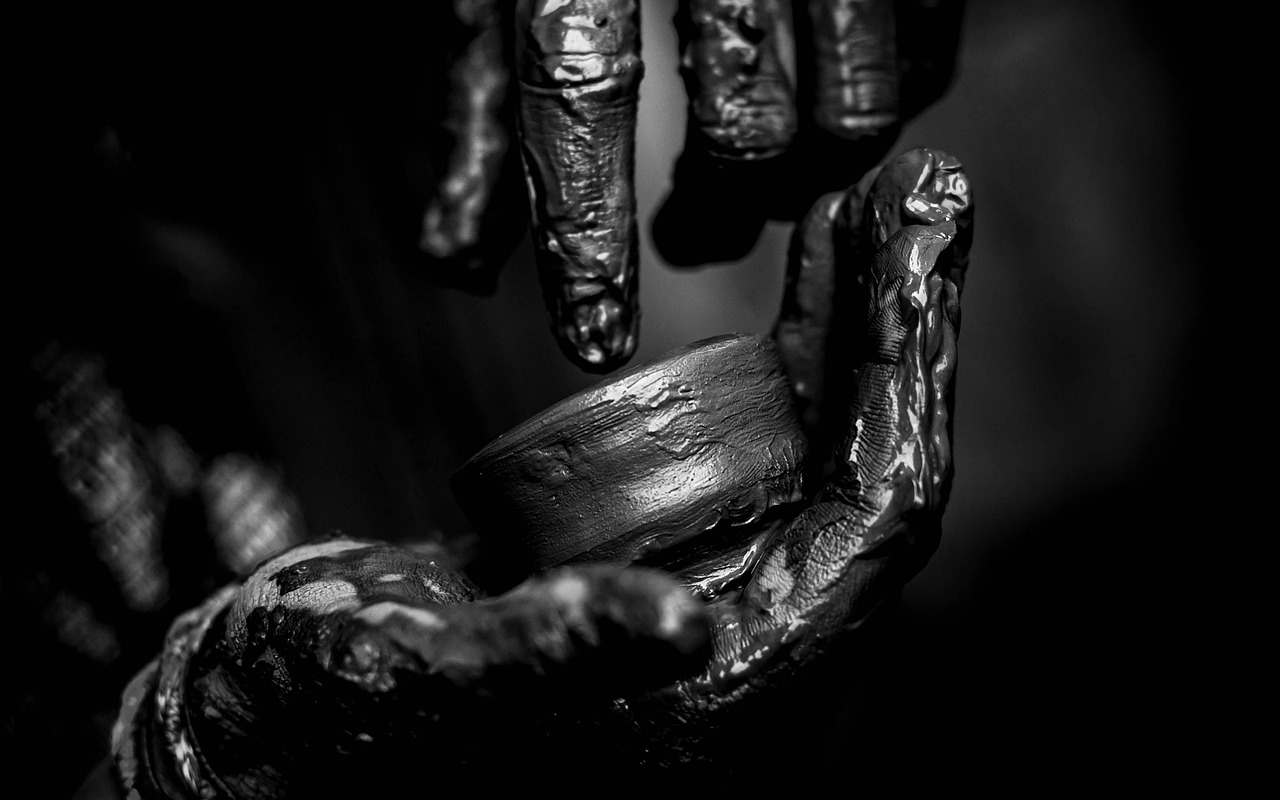
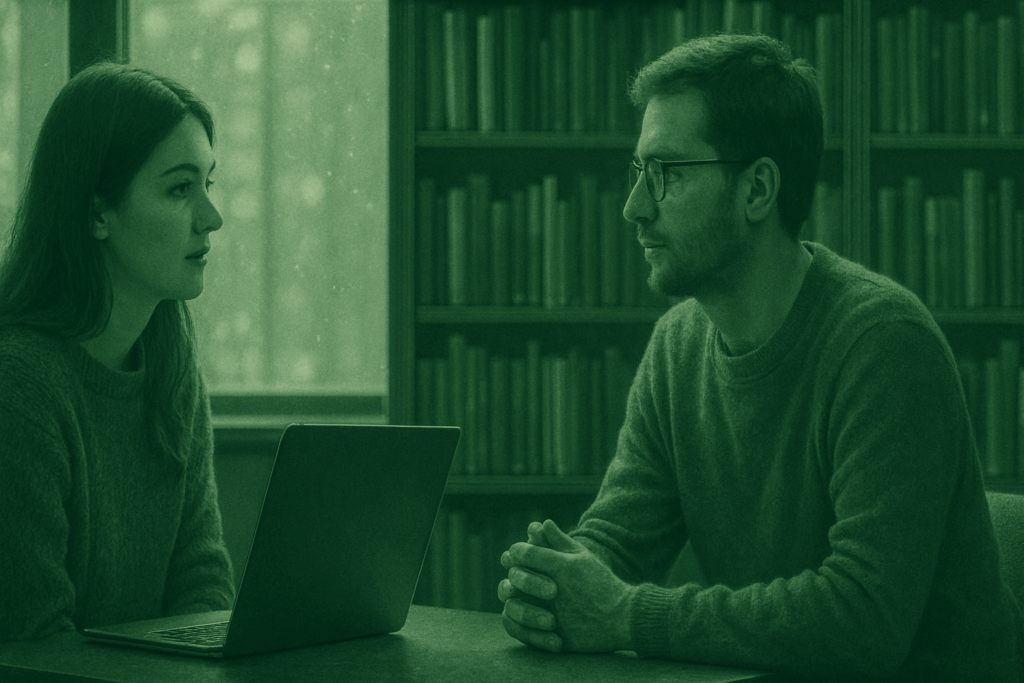
Great portraiture doesn’t start with a brush it starts with a conversation. Before the first sketch, this artist sits down with the subject. Not for posing, but listening. Interviews, casual chats, even a walk around the neighborhood it’s all part of reading the person beyond appearances. The goal is to pick up on rhythms, habits, fragments of personality you won’t see in a static photo.
Once the dialogue’s started, observation does the heavy lifting. The artist watches how the subject gestures. How they carry stress. What makes them light up. It’s not about flattery it’s about honesty. And that foundation is built quietly, often over days. Reference photos are taken throughout, not to freeze a moment, but to give the artist visual cues that carry context.
But it only works if there’s trust. You can’t fake comfort. The studio becomes a space where the subject lowers their guard because they know they’re being seen, not just studied. That’s when the real stuff surfaces: the gaze that lasts half a second too long, the half smile that only shows up in between takes. These are the details that make a portrait feel alive, and they only reveal themselves when the subject feels safe being themselves.
Inside the Studio Process
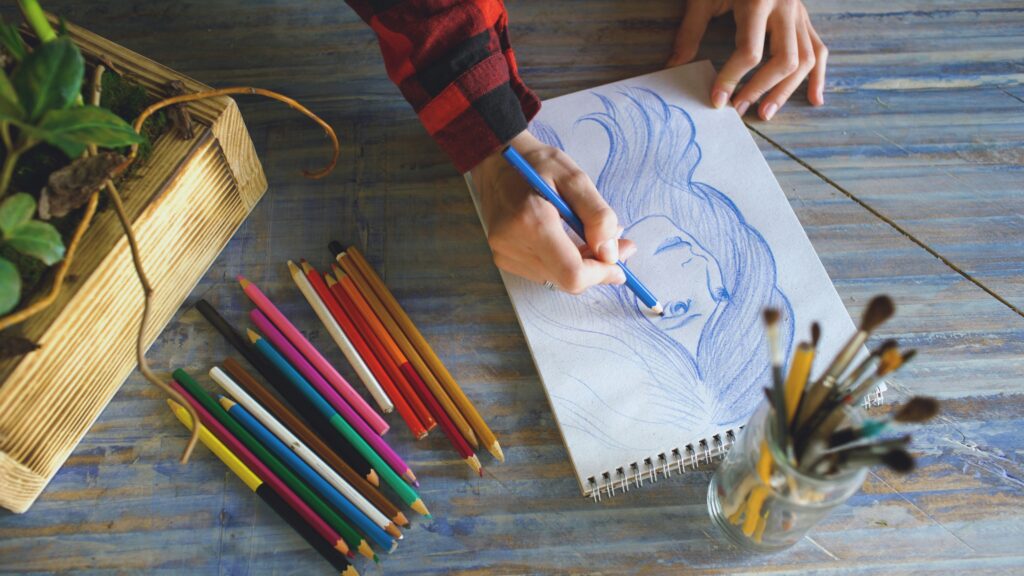
In 2026, portrait studios are a hybrid zone part analog, part digital, all intentional. For this artist, tools are chosen with clarity, not clutter. Traditional portraits begin with Belgian linen or primed wood panel and a custom mixed oil palette. The brushes? A mix of old standbys: hog bristle for blocking, kolinsky sable for detail. Digital work lives on a matte display tablet, paired with pressure sensitive pens and a pared down suite of brushes in apps like Procreate or Core Painter. No clunky filters. No visual fluff. Just purpose driven design.
A recent commission: a ¾ profile oil portrait of a retired surgeon. Step one was a casual interview voice notes and photos taken while they toured his garden and workspace. From there: tonal thumbnail sketches, a monochromatic underpainting to nail the light story, and then slow layering over four weeks. Final touches? Glazing the eyes with a soft mix of lavender and asphaltum to catch a specific gentleness. The finished piece now hangs in the family library.
The artist’s approach shifts depending on the medium. Traditional means pace, patience, brush drag, and physical atmosphere smells, textures, temperature. It builds soul over time. Digital gives more flexibility for experimentation a change in expression or background takes minutes, not hours, but demands discipline to avoid over editing. Analog work is meditative. Digital is nimble. Both require the same eye.
Want to see process from another angle? Check out Inside the Studio: A Day in the Life of a Landscape Artist.
Why Portraiture Still Resonates
The Timeless Appeal of Painted Portraits
A painted portrait does more than record a face it captures presence, intention, and atmosphere. In an age saturated with imagery, traditional portraiture stands out for its depth and individuality.
Emotional depth: A painting offers space for reflection, both for the artist and the viewer.
Personalized storytelling: Each portrait carries its own narrative, shaped by gesture, environment, and artistic interpretation.
Physical presence: Unlike digital media, a handmade portrait has texture, scale, and permanence all qualities tied to legacy.
A Collector’s Perspective in the Digital Age
Contemporary collectors increasingly value artwork that feels genuine and thoughtfully made. Even amid technological shifts, the demand for personal, human centered work remains steady.
Authenticity matters: Clients seek pieces that reflect their identity, not just their appearance.
Commissioned artwork as heirloom: Many see a custom portrait as a generational keepsake more personal than a digital file.
Investment in artistry: Supporting portrait artists today feels like an act of cultural preservation, especially for patrons wary of mass produced or AI generated images.
Art in the Age of AI: Why Custom Still Counts
As AI generated portraits flood social feeds and marketplaces, a countertrend has emerged: the return to handmade, bespoke artwork.
Human touch vs. instant output: Clients are rediscovering the value of time, labor, and artistic interpretation.
Connection over convenience: A one of a kind portrait reflects the relationship between artist and subject something no algorithm can replicate.
Embracing imperfection: There’s growing appreciation for the unpredictable nuances in handmade art those slight deviations that make a portrait feel alive.
In 2026, painted portraiture is not just surviving it’s reasserting its value as a meaningful alternative to fast, automated visuals. It’s a quiet, confident art form that invites viewers to slow down and truly see.
For Aspiring Portrait Artists
The artist doesn’t dance around it: getting better at portraiture means slowing down and seeing more. One of the first things they tell students? Observe more than you paint. That doesn’t mean staring blankly at a reference photo. It means noticing the small, honest gestures a tilt of the mouth, tension in the hands, how light clings to someone’s brow. Observation isn’t a step. It’s the foundation.
Another core idea: expression beats perfection. Technical skill is important, but if the result feels cold and overworked, it misses the point. The best portraits sometimes have uneven brush marks or odd color choices and still feel alive. The goal isn’t flawlessness. It’s connection.
“Build a portrait from the inside out” is something the artist says often. Begin with the subject’s story, not their features. Ask questions, sketch loosely, get a feel for who they are before locking down lines and tones. That approach inserts honesty into every layer of the painting.
As for finding your own voice in a sea of content? Start by ignoring trends at least for a while. Spend time learning what moves you. Study work that feels strange or offbeat. Make 50 terrible pieces. Then, see what survived in you through it all. Style doesn’t arrive like a lightning bolt. It’s built, one decision at a time.
Above all, stay curious and stay at it. You don’t have to be the best painter. Just the most engaged.
 Ask Paullino Rhodesons how they got into painting techniques and tutorials and you'll probably get a longer answer than you expected. The short version: Paullino started doing it, got genuinely hooked, and at some point realized they had accumulated enough hard-won knowledge that it would be a waste not to share it. So they started writing.
What makes Paullino worth reading is that they skips the obvious stuff. Nobody needs another surface-level take on Painting Techniques and Tutorials, Creative Process Insights, Artist Features and Interviews. What readers actually want is the nuance — the part that only becomes clear after you've made a few mistakes and figured out why. That's the territory Paullino operates in. The writing is direct, occasionally blunt, and always built around what's actually true rather than what sounds good in an article. They has little patience for filler, which means they's pieces tend to be denser with real information than the average post on the same subject.
Paullino doesn't write to impress anyone. They writes because they has things to say that they genuinely thinks people should hear. That motivation — basic as it sounds — produces something noticeably different from content written for clicks or word count. Readers pick up on it. The comments on Paullino's work tend to reflect that.
Ask Paullino Rhodesons how they got into painting techniques and tutorials and you'll probably get a longer answer than you expected. The short version: Paullino started doing it, got genuinely hooked, and at some point realized they had accumulated enough hard-won knowledge that it would be a waste not to share it. So they started writing.
What makes Paullino worth reading is that they skips the obvious stuff. Nobody needs another surface-level take on Painting Techniques and Tutorials, Creative Process Insights, Artist Features and Interviews. What readers actually want is the nuance — the part that only becomes clear after you've made a few mistakes and figured out why. That's the territory Paullino operates in. The writing is direct, occasionally blunt, and always built around what's actually true rather than what sounds good in an article. They has little patience for filler, which means they's pieces tend to be denser with real information than the average post on the same subject.
Paullino doesn't write to impress anyone. They writes because they has things to say that they genuinely thinks people should hear. That motivation — basic as it sounds — produces something noticeably different from content written for clicks or word count. Readers pick up on it. The comments on Paullino's work tend to reflect that.